



The
Daily
Fix
Rest
Goat Cheese, Spinach & Herb Omelet with Avocado Cream
Presenilin 1 Regulates Mitochondrial Cristae Formation
Rest day
A creamy, herb-filled omelet with tangy goat cheese and tender spinach, topped with a smooth avocado cream.

The protein most commonly linked to inherited Alzheimer's disease appears to play a critical role in organizing mitochondrial cristae.
Enjoy the recovery time, or make-up anything you missed from last week.
Ingredients
For the Omelet:
4 large eggs
2 Tbsp butter or tallow (for cooking)
1 cup fresh spinach, roughly chopped
2 oz goat cheese, crumbled
1 Tbsp fresh herbs (parsley, chives, or dill), chopped
Salt and black pepper, to taste
For the Avocado Cream:
½ ripe avocado
2 Tbsp sour cream or Greek yogurt
1 tsp lemon or lime juice
Salt, to taste
Macronutrients
(per serving, makes 2)
Protein: 20g
Fat: 30g
Carbs: 5g
Preparation
Add avocado, sour cream, lemon juice, and a pinch of salt to a small bowl. Mash or blend until smooth and creamy. Set aside.
Crack eggs into a bowl, season with salt and pepper, and whisk until smooth.
Heat 1 Tbsp butter or tallow in a nonstick skillet over medium heat. Add spinach and cook 1–2 minutes until wilted. Remove and set aside.
Add the remaining butter or tallow to the skillet. Pour in the eggs and swirl to coat the bottom evenly.
Cook gently, lifting the edges with a spatula to allow uncooked egg to flow underneath.
When mostly set, scatter the spinach, crumbled goat cheese, and fresh herbs over one side of the omelet.
Fold over and cook for another 30–60 seconds until the cheese softens.
Slide onto a plate, spoon the avocado cream over the top, and serve immediately.

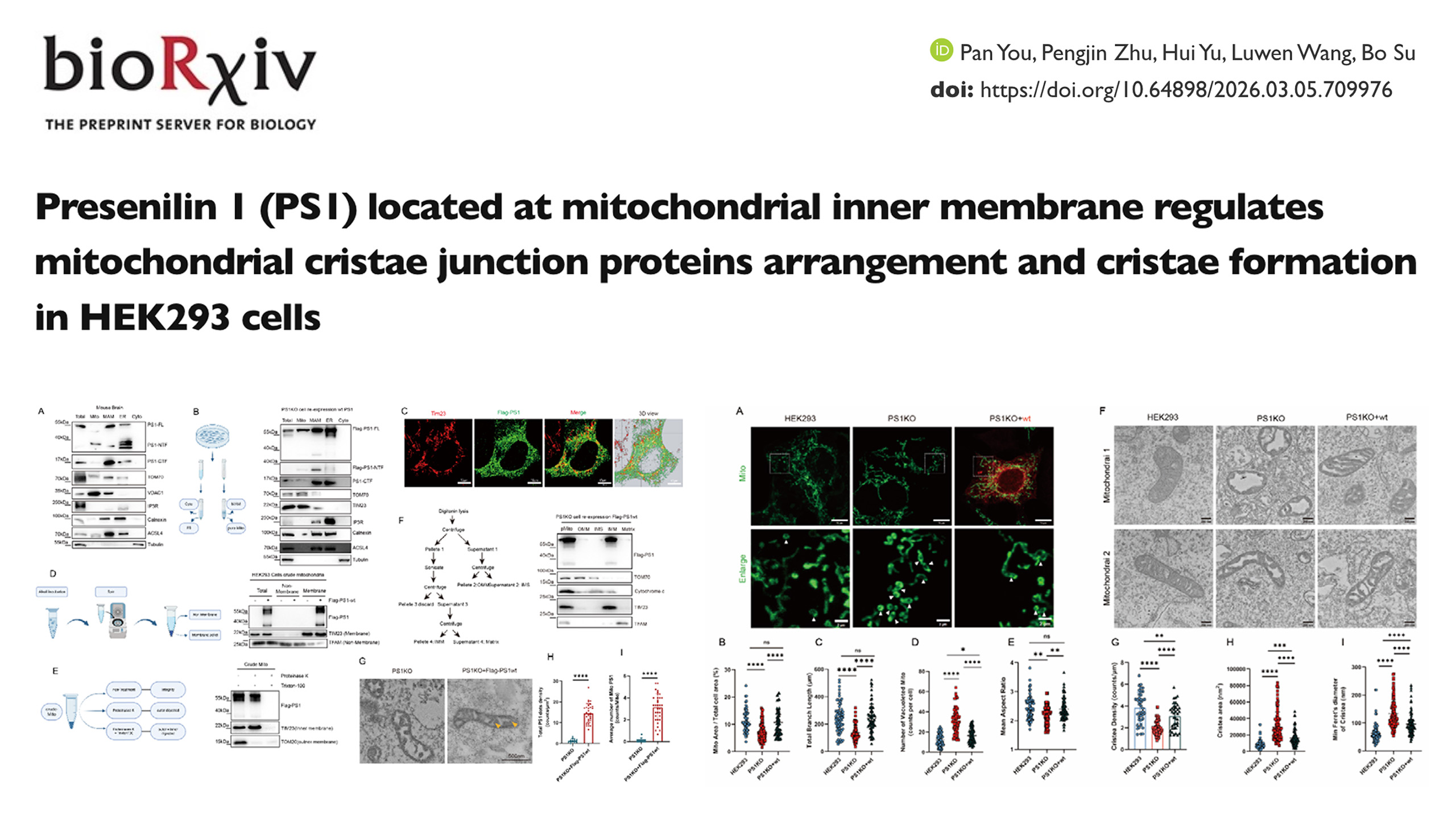
This preprint investigates presenilin 1 (PS1), the protein most commonly mutated in familial Alzheimer's disease, and finds that its role extends well beyond amyloid production. Using genetically engineered HEK293 cells lacking PS1, the researchers showed that a portion of the protein resides within the mitochondrial inner membrane, where it appears to help organize the structures that maintain cristae architecture. Cells lacking PS1 produced less ATP, exhibited impaired mitochondrial respiration, accumulated excess reactive oxygen species, and showed disrupted calcium handling.
The most striking findings involved mitochondrial structure. Loss of PS1 caused swollen, disorganized cristae, reduced cristae density, mitochondrial vacuolization, expansion of mitochondria-associated membranes (MAMs), and instability of mitochondrial DNA. The researchers traced many of these changes to abnormal behavior of ATAD3A, a protein involved in maintaining cristae junctions and mitochondrial organization. Without PS1, ATAD3A levels increased, oligomerized, and formed abnormal interactions with key cristae-organizing proteins including MIC60, MIC19, and OPA1.
The authors propose that PS1 functions as a structural regulator of the mitochondrial inner membrane, helping coordinate the protein networks that shape cristae and maintain mitochondrial integrity. While Alzheimer's research has traditionally focused on amyloid plaques and γ-secretase activity, these findings support the view that mitochondrial dysfunction may be a fundamental component of disease progression. If confirmed in neurons and human disease models, the work would strengthen the link between Alzheimer's disease and the breakdown of mitochondrial structure, bioenergetics, calcium regulation, and oxidative stress.
FRIDAY 260619