



The
Daily
Fix
5 rounds for time:
Ginger Lime Pork
Metabolic Therapy for Advanced Breast Cancer
Row 1,000 meters
Rest 2 minutes
Juicy pork seared in butter and finished with fresh ginger and lime.

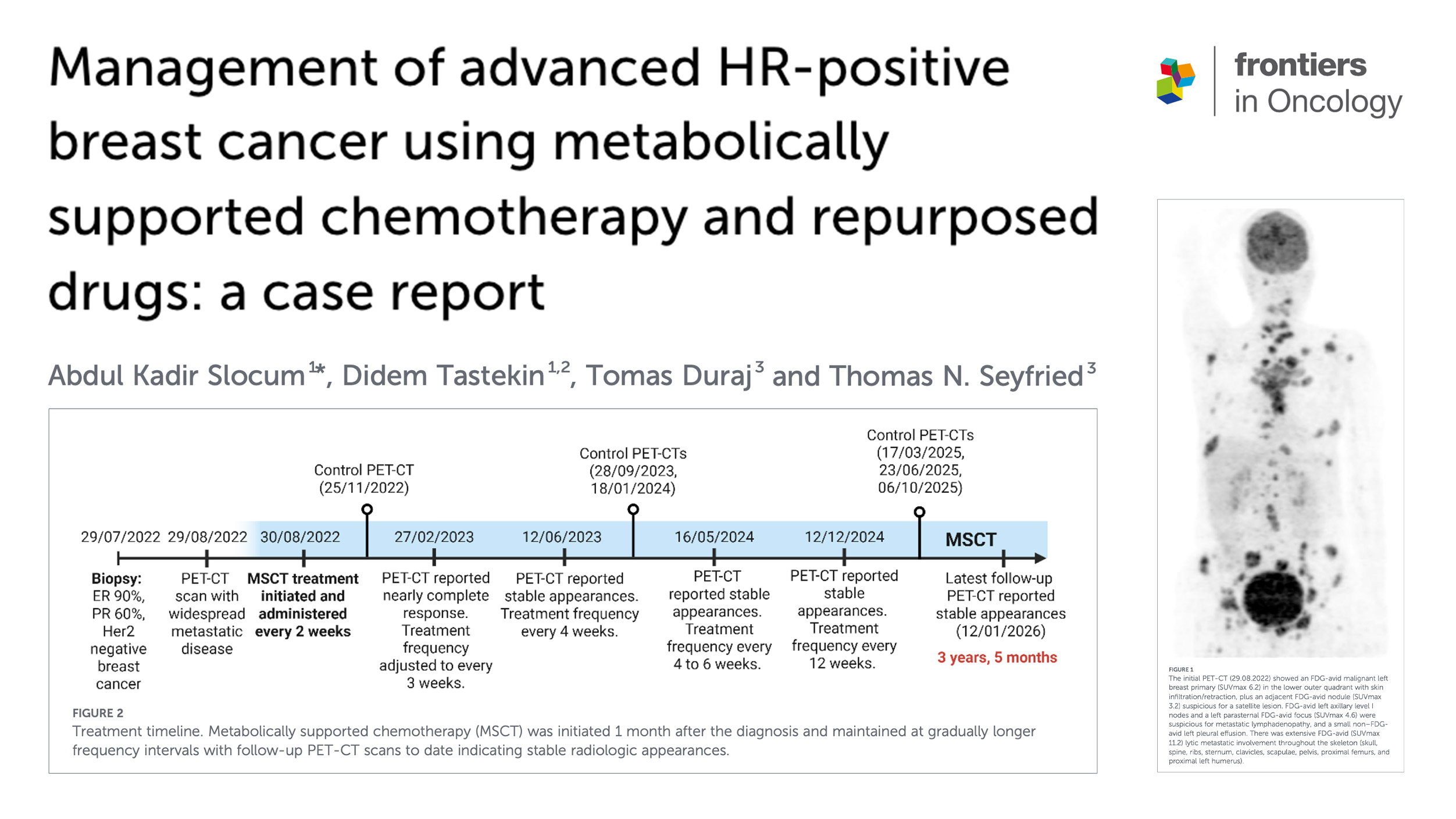
A case report of durable remission following ketogenic therapy, metabolically supported chemotherapy, and repurposed drugs.
Additionally, practice scales for 10 minutes.
Post time to comments.
Ingredients
6 oz pork loin or pork shoulder, sliced or cut into bite‑size pieces
1½ Tbsp butter or tallow (for cooking)
1 tsp fresh ginger, finely grated
Zest of ½ lime
1 tsp lime juice
1 Tbsp coconut aminos (optional, for depth without sugar)
Salt and pepper, to taste
1 tsp olive oil (for finishing)
Optional garnish: sliced scallions or cilantro
Macronutrients
(makes 1 serving)
Protein: 40g
Fat: 36g
Carbs: 3g
Preparation
Pat pork dry and season generously with salt and pepper.
Heat butter or tallow in a skillet over medium‑high heat. Add pork in a single layer and cook 3–4 minutes per side until deeply golden and cooked through.
Lower heat to medium. Add grated ginger and cook for 30 seconds until fragrant. Stir in coconut aminos (if using), lime zest, and lime juice. Toss pork to coat and let simmer 1–2 minutes until slightly glossy.
Remove from heat and drizzle with olive oil just before serving. Garnish with scallions or cilantro if desired.

This case report describes a 49-year-old woman with stage IV hormone receptor-positive, HER2-negative breast cancer that had spread extensively throughout her skeleton. After being told her disease was inoperable and facing a poor prognosis, she underwent a comprehensive treatment program centered on the metabolic theory of cancer. The protocol combined metabolically supported chemotherapy, a strict ketogenic diet, hyperthermia, hyperbaric oxygen therapy, and a collection of repurposed drugs including metformin, aspirin, doxycycline, mebendazole, ivermectin, and famotidine.
The patient's response was rapid. Severe pain and loss of mobility began improving within weeks, and follow-up PET scans showed substantial reductions in tumor activity. By six months, active bone metastases had largely resolved on imaging, her pain had disappeared, and she had returned to normal daily activities. More than three years after diagnosis, she remained in remission with no evidence of disease progression while continuing a maintenance program built around ketogenic therapy and repurposed medications.
The authors argue that the treatment worked by targeting the metabolic vulnerabilities common to cancer cells. The protocol sought to reduce glucose availability, lower growth signaling, increase metabolic stress, improve oxygen delivery, and simultaneously disrupt multiple pathways involved in tumor survival and spread. While the report describes only a single patient and cannot establish causation, the authors note that this case joins a growing collection of similar reports supporting metabolic therapies for cancer.
2:35-2:40 pace
4:12.4
4:10.4
4:09.8
4:09.4
4:06.4