



The
Daily
Fix
20-minute AMRAP:
Thai Coconut Mussels
The Origins of the Mess
Complete as many rounds as possible in 20 minutes of:
5 muscle-ups
10 kettlebell swings
15 GHD sit-ups
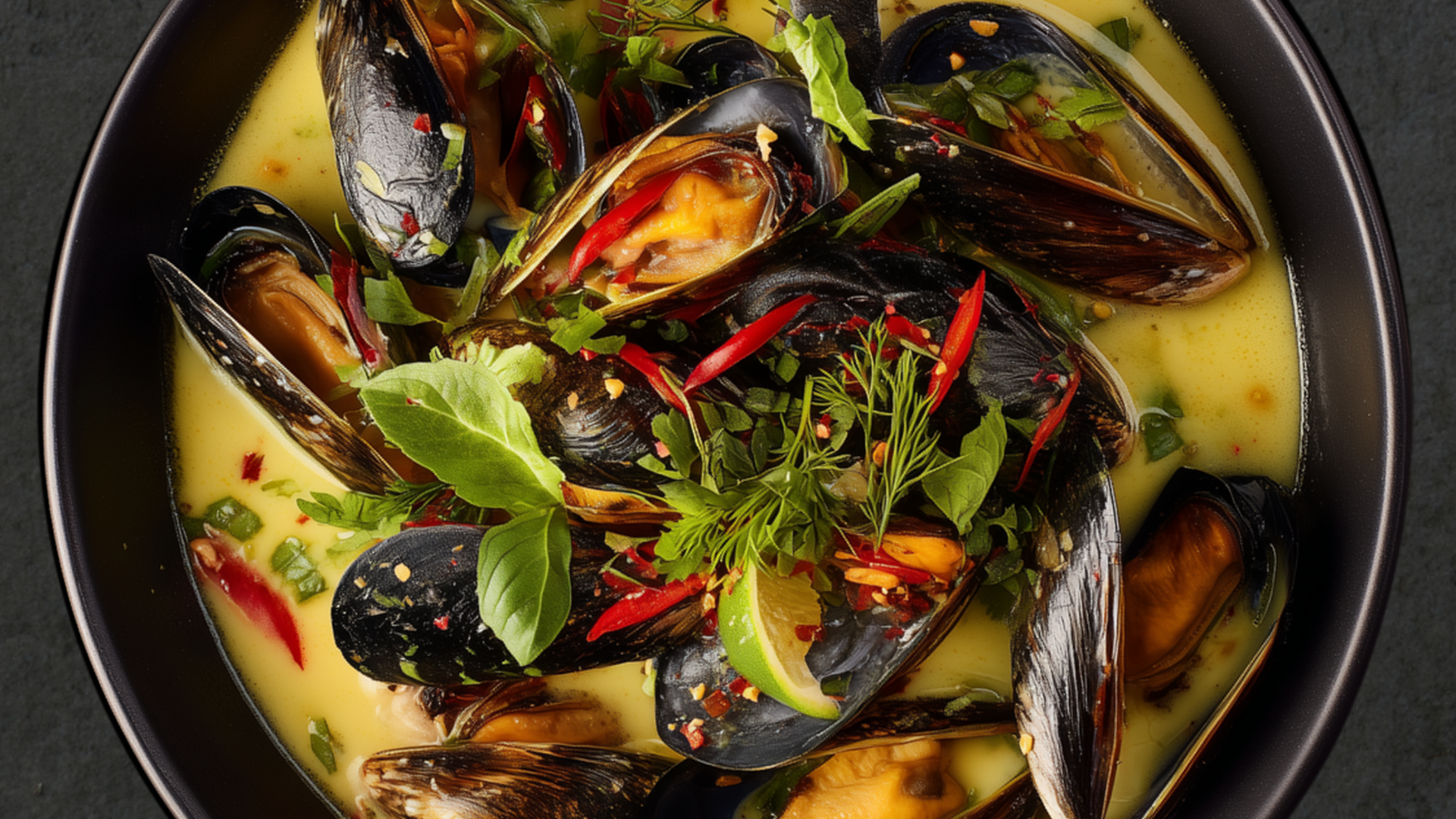
Tender mussels simmered in a spicy Thai-inspired coconut broth with ghee, garlic, chili, and lime.
Flawed scientific thinking lies at the heart of postmodern scientific, medical, and institutional failures
Men swing a 2-pood KB.
Women swing a 1.5-pood KB.
Post number of rounds completed to comments.
Ingredients
2 lbs fresh mussels, cleaned and debearded
2 Tbsp ghee
2 cloves garlic, minced
1 Tbsp fresh ginger, grated
1 small red chili or ½ tsp red pepper flakes (adjust to taste)
¾ cup full-fat coconut milk (unsweetened)
1 Tbsp fish sauce (or coconut aminos for a milder option)
1 tsp lime zest
1 Tbsp lime juice
Optional: fresh cilantro or Thai basil, for garnish
Optional: 1 tsp olive oil (for finishing, off heat only)
Macronutrients
(per serving, serves 3)
Protein: 22g
Fat: 30g
Carbs: 8g
Preparation
In a large pot or deep skillet, melt ghee over medium heat. Add garlic, ginger, and chili. Sauté for 1–2 minutes until fragrant.
Stir in coconut milk, fish sauce, lime zest, and lime juice. Bring to a simmer.
Add mussels to the pot, cover, and steam for 5–6 minutes, or until mussels have opened. Discard any that do not open.
Stir the mussels into the broth. Garnish with chopped herbs and a drizzle of olive oil, if using. Serve hot in bowls with broth spooned over.

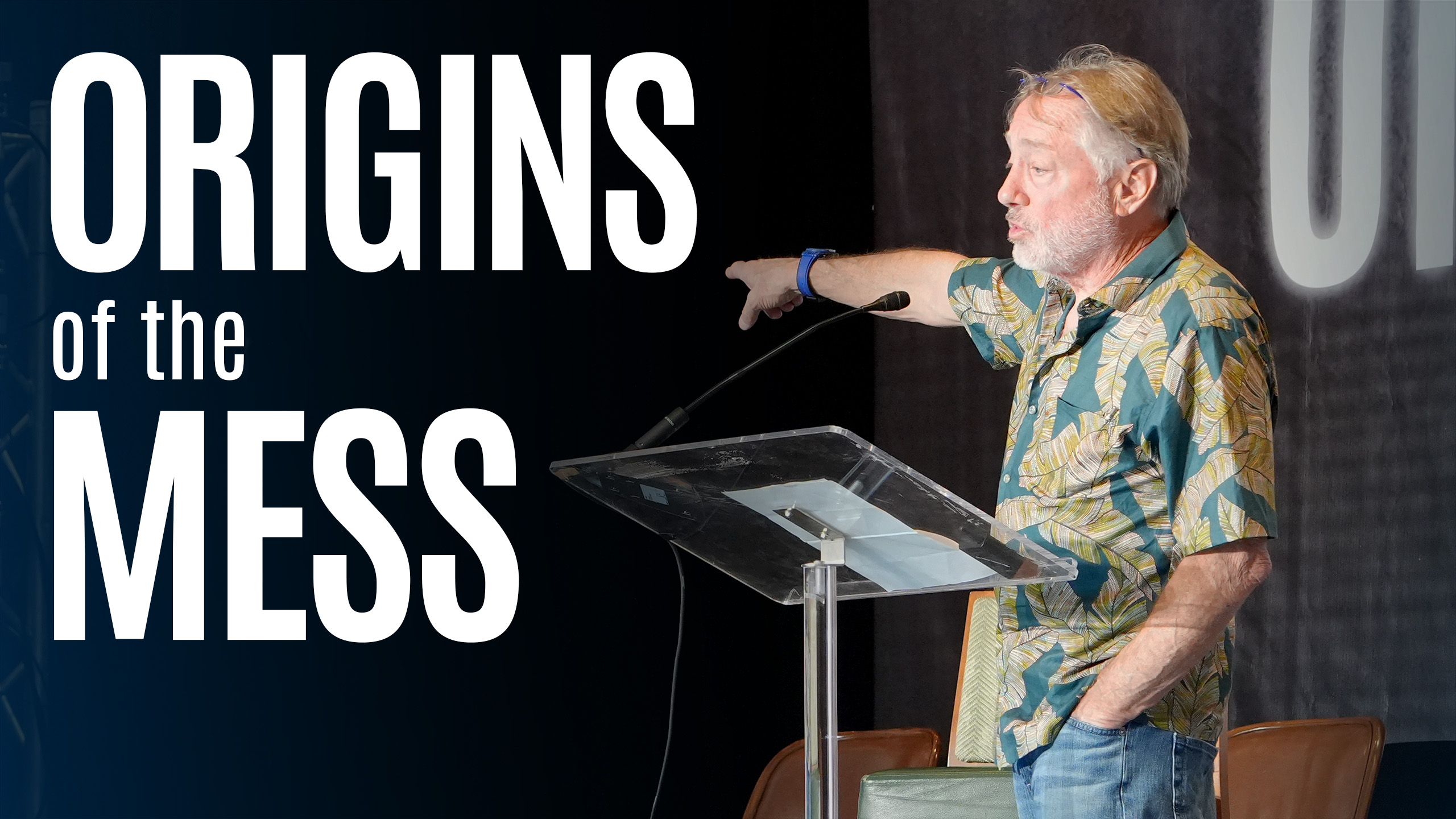
At the 2026 Unbreakable Health Retreat in Miami, Greg Glassman describes what he believes is the true source of many modern scientific, medical, and societal problems. While corruption, financial incentives, and institutional dysfunction are often blamed for today's crises, Greg identifies these as symptoms of a deeper issue: a widespread failure to understand how science works and how knowledge is created.
Drawing on the history and philosophy of science, Glassman traces the shift from observation, prediction, and empirical testing toward increasingly abstract statistical methods and theoretical frameworks. He argues that this transformation weakened the ability of scientists to distinguish between ideas that accurately describe reality and those that merely appear credible within academic institutions.
The consequences extend far beyond research journals. From irreproducible studies and public health failures to the chronic disease epidemic and declining trust in scientific institutions—many of today's most persistent problems can be traced to flawed scientific thinking. Meaningful reform, he concluded, will require more than better incentives or stricter oversight. It will require restoring scientific literacy and rebuilding an understanding of how genuine knowledge is produced.
THURSDAY 260625