



The
Daily
Fix

260624

WEDNESDAY 260624
4 0 0

3 rounds for time:

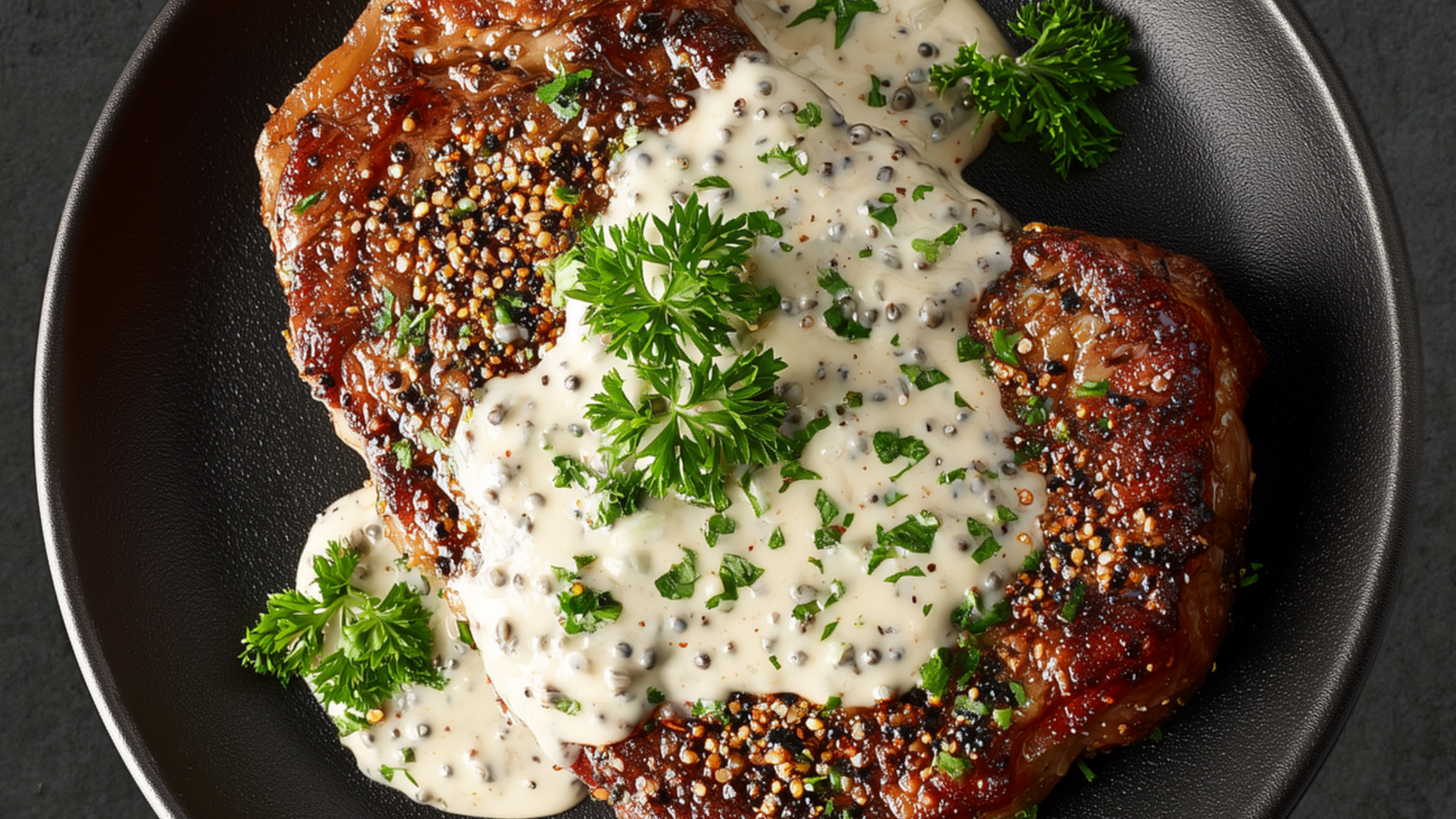
Steak au Poivre

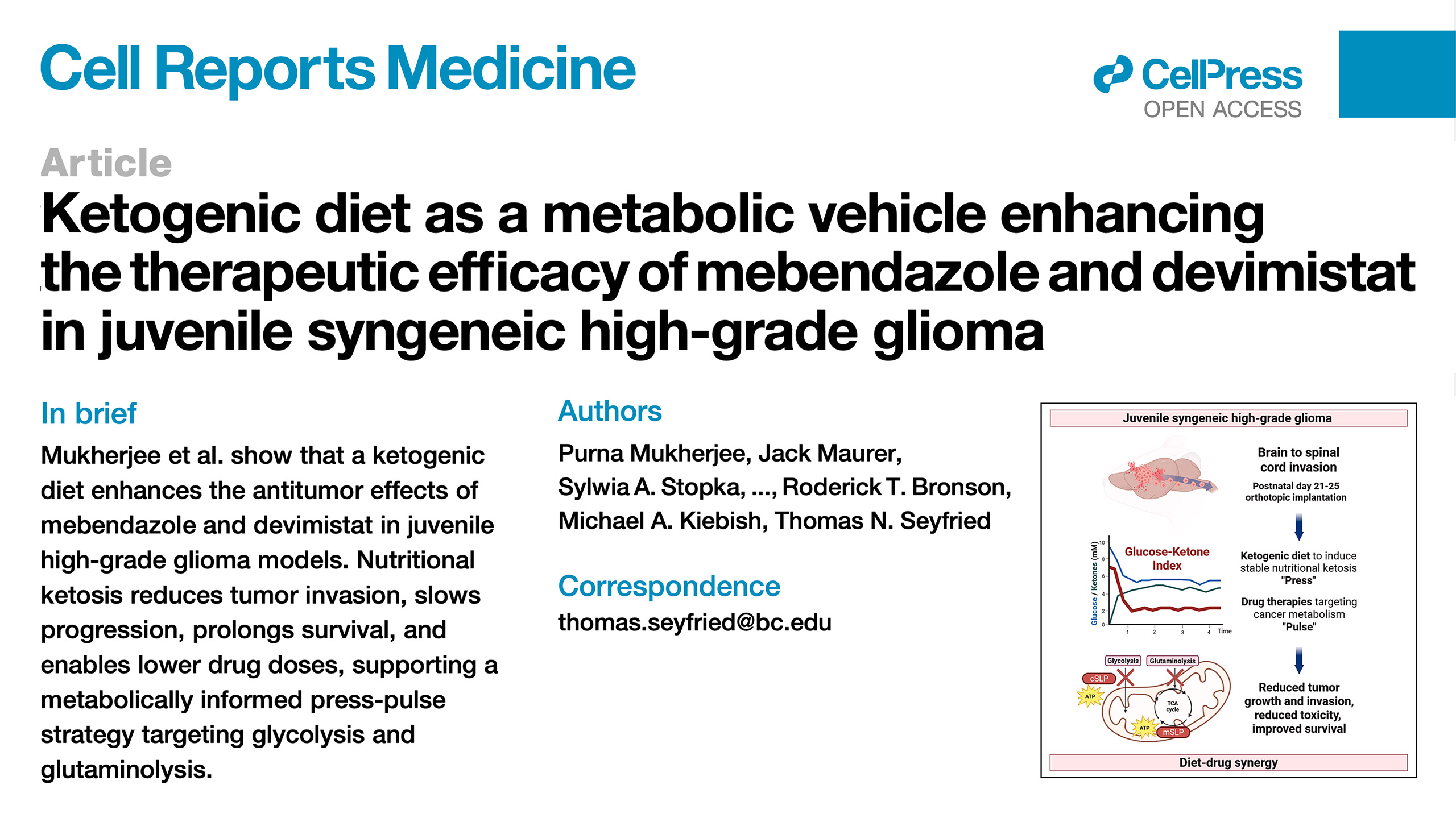
Ketogenic Therapy for Pediatric Glioma

Article Heading Photo
Photo of Steak au Poivre

400-m run
15 bodyweight deadlifts
20 box jumps

Pan-seared steak crusted in crushed peppercorns, finished in a rich, buttery cream reduction—a French bistro classic.
A keto diet enhanced the effectiveness of two metabolic cancer therapies in aggressive pediatric brain tumors

Tab Photo

The
Daily
Fix

Photo of Steak au Poivre Article Heading Photo

Men jump a 24” box.
Women jump a 20” box.

Post time to comments.

Ingredients

2 boneless ribeye steaks (8–10 oz each, 1–1½ inches thick)
1½ Tbsp whole black peppercorns, crushed coarsely
Salt, to taste
2 Tbsp butter (for searing)
¼ cup beef broth (no sugar added)
¼ cup heavy cream
1 tsp Dijon mustard (optional)
1 Tbsp butter (for finishing the sauce)
Optional: 1 tsp olive oil (finishing drizzle)
Optional: chopped parsley for garnish

Macronutrients
(per serving, makes 2)

Protein: 50g
Fat: 60g
Carbs: 2g

Preparation

Use a mortar and pestle or the bottom of a heavy skillet to coarsely crush the peppercorns. Press the crushed pepper into both sides of each steak. Season steaks lightly with salt.

Heat 2 Tbsp butter in a cast iron or heavy skillet over medium-high heat. Once hot and foaming, add steaks. Sear 3–4 minutes per side for medium-rare (adjust for thickness/doneness). Remove steaks and rest under foil.

Reduce heat to medium. Add beef broth to the pan and deglaze, scraping up the fond. Simmer for 1–2 minutes to reduce slightly.

Stir in heavy cream and Dijon mustard (if using). Simmer 2–3 minutes until thickened. Finish by whisking in 1 Tbsp butter to make the sauce glossy and rich. Adjust seasoning if needed.

Plate the rested steaks and spoon sauce over the top. Drizzle with olive oil off heat if desired, and garnish with chopped parsley.


In this new study, Thomas Seyfried and colleagues used nutritional ketosis to improve treatment outcomes in pediatric high-grade glioma, one of the deadliest childhood cancers. Using juvenile mouse models, the researchers combined a ketogenic diet with two drugs—mebendazole, an antiparasitic drug with anticancer properties, and devimistat (CPI-613), a metabolic therapy that targets mitochondrial fuel utilization. The ketogenic diet consistently enhanced the effectiveness of both drugs, leading to slower tumor progression, reduced invasion into the brain and spinal cord, and longer survival than drug treatment alone.

The findings support the view that glioma cells depend heavily on glucose and glutamine metabolism because of impaired mitochondrial energy production. By lowering glucose availability and increasing circulating ketones, the ketogenic diet created metabolic stress that made tumor cells more vulnerable to therapies targeting glycolysis and glutaminolysis. The diet also improved drug delivery and allowed lower doses to achieve therapeutic effects, reducing toxicity while maintaining efficacy.

The authors describe this as a "press-pulse" strategy, where a ketogenic diet provides continuous metabolic pressure while targeted therapies exploit specific metabolic vulnerabilities in cancer cells. Although the work was conducted in animal models rather than human patients, it adds to a growing body of evidence showing that ketogenic therapy can enhance the effectiveness of cancer treatment while reducing side effects.

Read the Study

COMMENTS

4 COMMENTS 0 COMMENTS 0 COMMENTS SHARE LOGIN PRINT
Ethan Rush June 24, 2026 | 10:28 EST
26:26 - RX
Deadlift @ 185
Ethan Rush June 24, 2026 | 10:29 EST
26:26 - RX
Deadlift @ 185
troybruun June 24, 2026 | 15:47 EST
10:41 Rx
170lbs DL
BSage June 24, 2026 | 17:07 EST
17:35
400m row
105# (185BW)
19” Step-ups
Log In to leave a comment - Log In?
Go to Top