


The
Daily
Fix
For time:
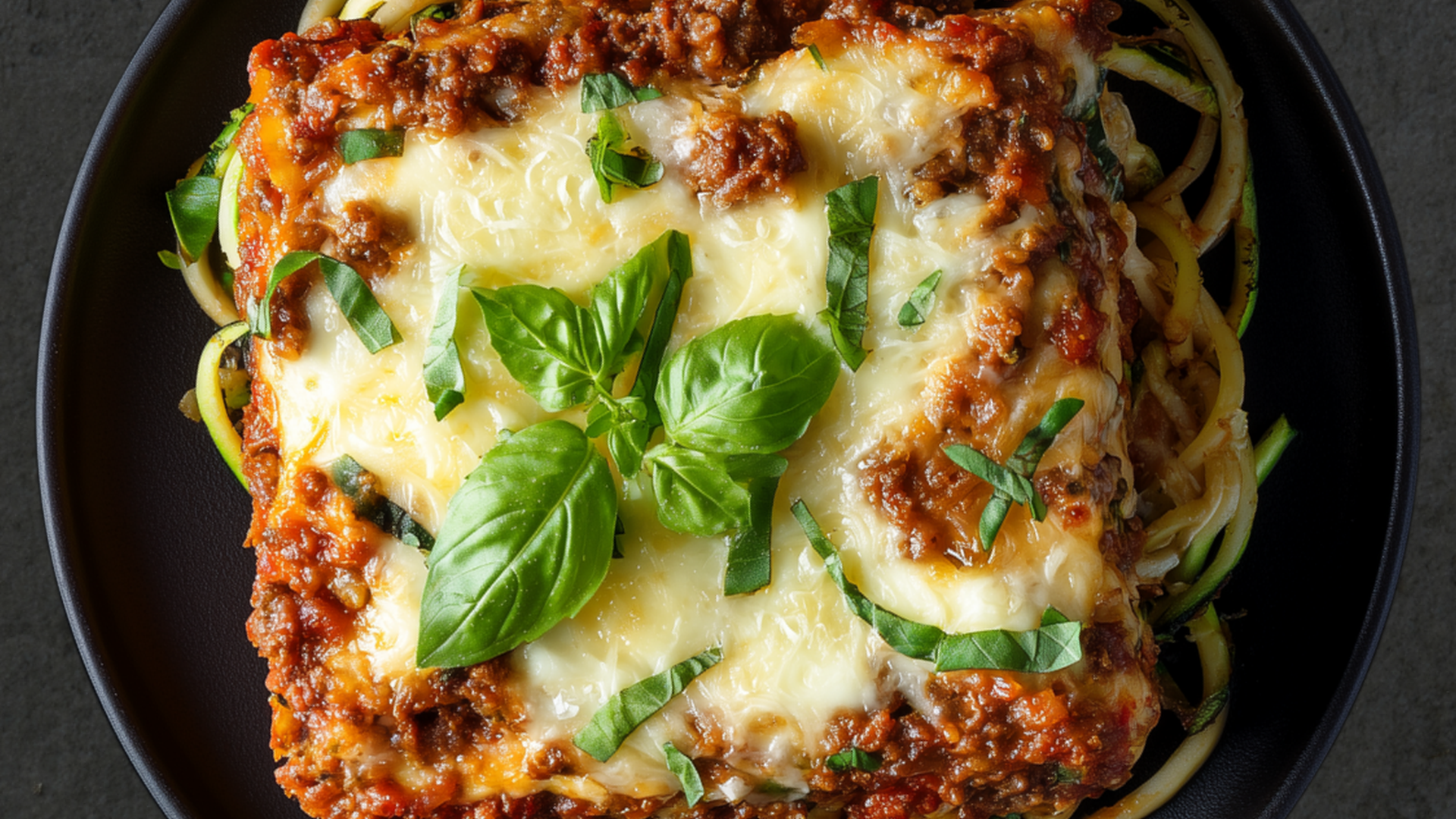
Baked Spaghetti with Zoodles
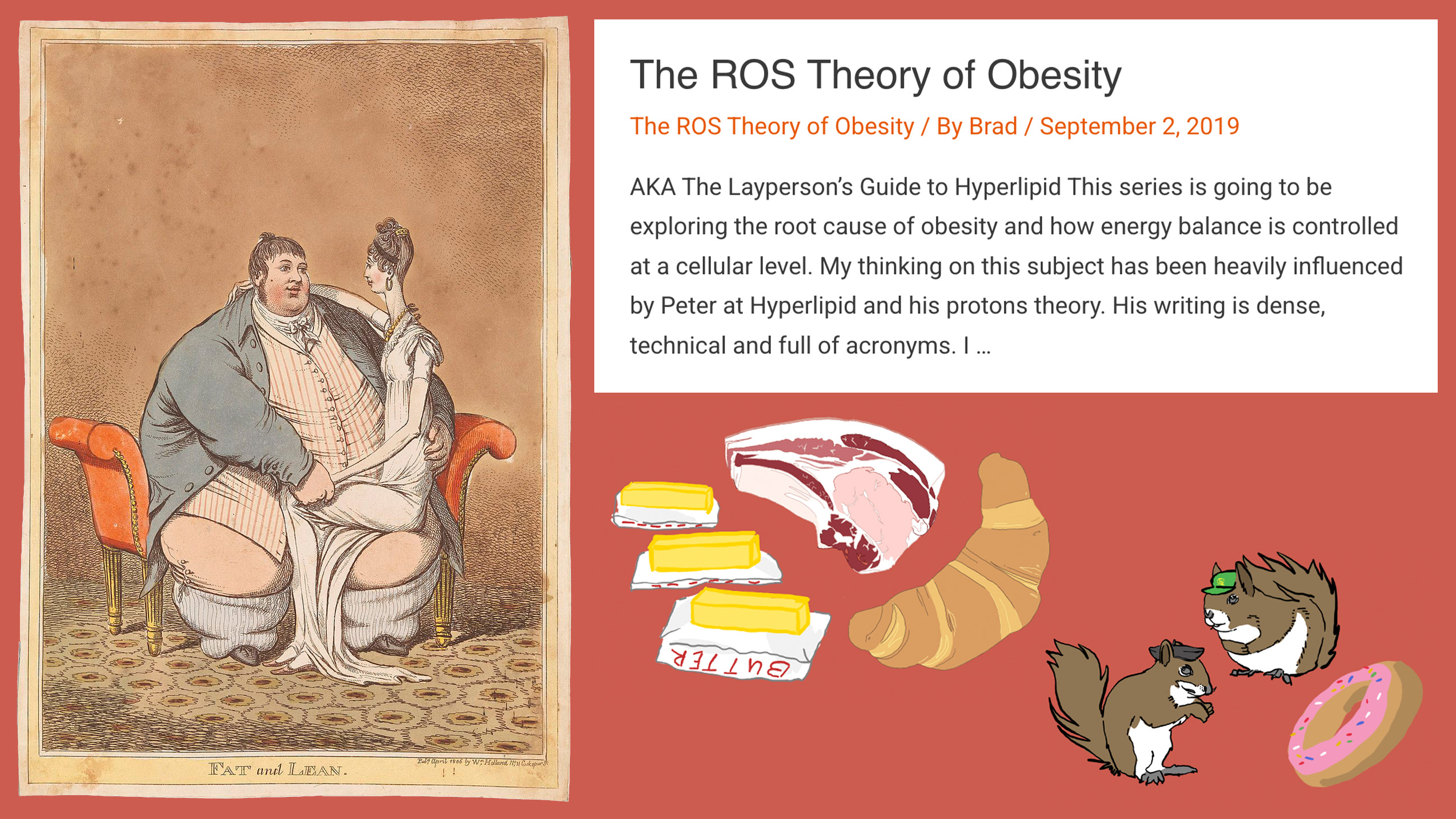
The Layperson's Guide to Hyperlipid
Run 1 mile
100 pull-ups
Run 1 mile
A cheesy, oven-baked spaghetti casserole made with savory meat sauce, spiralized zucchini noodles, and gooey melted cheese.
An introduction to the ROS theory of obesity and how mitochondria regulate energy balance.
Feel free to kip today in order to complete this as fast as possible.
Post time to comments.
Ingredients
For the Meat Sauce:
1 lb ground beef (or half beef, half Italian sausage)
2 cloves garlic, minced
½ small onion, finely chopped
1½ cups crushed tomatoes (no sugar added)
1 tsp dried oregano
½ tsp dried basil
½ tsp paprika
Salt & pepper, to taste
1 Tbsp butter (for cooking)
For the Zoodle Base:
3 medium zucchini, spiralized into zoodles
½ tsp salt (to draw out moisture)
1 Tbsp butter (for sautéing)
For the Cheese Topping:
1 cup shredded mozzarella
¼ cup grated parmesan
½ cup ricotta or cottage cheese (optional, for layering)
Optional Finishing:
1 tsp olive oil (drizzled after baking)
Fresh basil or parsley for garnish
Macronutrients
(per serving, makes 4)
Protein: 30g
Fat: 31g
Carbs: 9g
Preparation
Place zoodles in a colander over the sink and sprinkle with salt. Let sit for 15–20 minutes to release moisture. Pat dry with a clean towel or paper towels.
In a skillet over medium heat, melt butter. Add onion and cook 3–4 minutes until soft. Add garlic and ground meat. Brown until fully cooked, breaking it apart. Stir in crushed tomatoes, oregano, basil, paprika, salt, and pepper. Simmer 10–15 minutes until thickened.
In a separate pan, melt butter over medium heat. Add zoodles and sauté for 2–3 minutes until just softened. Do not overcook. Drain excess moisture if needed.
Preheat oven to 375°F (190°C). In a greased 9x9-inch baking dish, layer half the zoodles, half the meat sauce, and dollops of ricotta or cottage cheese if using. Repeat layers. Top with mozzarella and parmesan.
Bake uncovered for 20–25 minutes, or until cheese is melted and bubbly. Broil for 2–3 minutes for a golden top. Let rest 5 minutes. Drizzle with olive oil and garnish with fresh herbs before serving.
In this introductory article, Brad Marshall translates Peter Dobromylskyj's complex "ROS Theory of Obesity" into plain language. The theory proposes that reactive oxygen species (ROS) produced by mitochondria act as signaling molecules that regulate whether the body burns glucose or fat. Rather than viewing insulin resistance as inherently harmful, it describes a temporary, physiological form of insulin resistance that helps maintain fat oxidation and metabolic flexibility.
Marshall argues that this framework helps explain why populations consuming dramatically different diets—from the high-carbohydrate diets of rural China to the high-saturated-fat diets of postwar France—remained lean, while modern Western populations developed widespread obesity and diabetes. The article serves as an accessible introduction to the ROS theory before later installments explore the underlying mitochondrial biology in greater detail.




Row
Ring-rows