


The
Daily
Fix
For load:
White Fish Chowder
How Sedentarism Alters Human Bioenergetics

Thruster 5-5-3-3-3-1-1-1-1 reps
A rich, creamy chowder made with white fish, crisp bacon, and aromatic fennel.
Study reveals widespread impairments in mitochondrial function and metabolic flexibility in inactive adults.
Additionally, practice L-sits for 10 minutes.
Post loads to comments.
Ingredients
6 oz cod or halibut, cubed
2 slices bacon
½ bulb fennel, chopped
¼ cup celery, diced
¼ cup onion, diced
1 cup unsweetened almond milk
¼ cup heavy cream
1 Tbsp butter
Macronutrients
(per serving, makes 1)
Protein: 38g
Fat: 32g
Carbs: 7g
Preparation
Add bacon to a cold pot over medium heat. Cook until crispy, then remove and chop. Leave the rendered fat in the pot.
Add butter to the bacon fat. Sauté fennel, celery, and onion with a pinch of salt for 4–5 minutes, until soft and fragrant.
Pour in almond milk and heavy cream. Stir well and bring to a gentle simmer—do not boil.
Add the cubed fish and simmer gently for 5–7 minutes, just until opaque and flaky.
Stir in the chopped bacon, taste for seasoning, and serve hot.
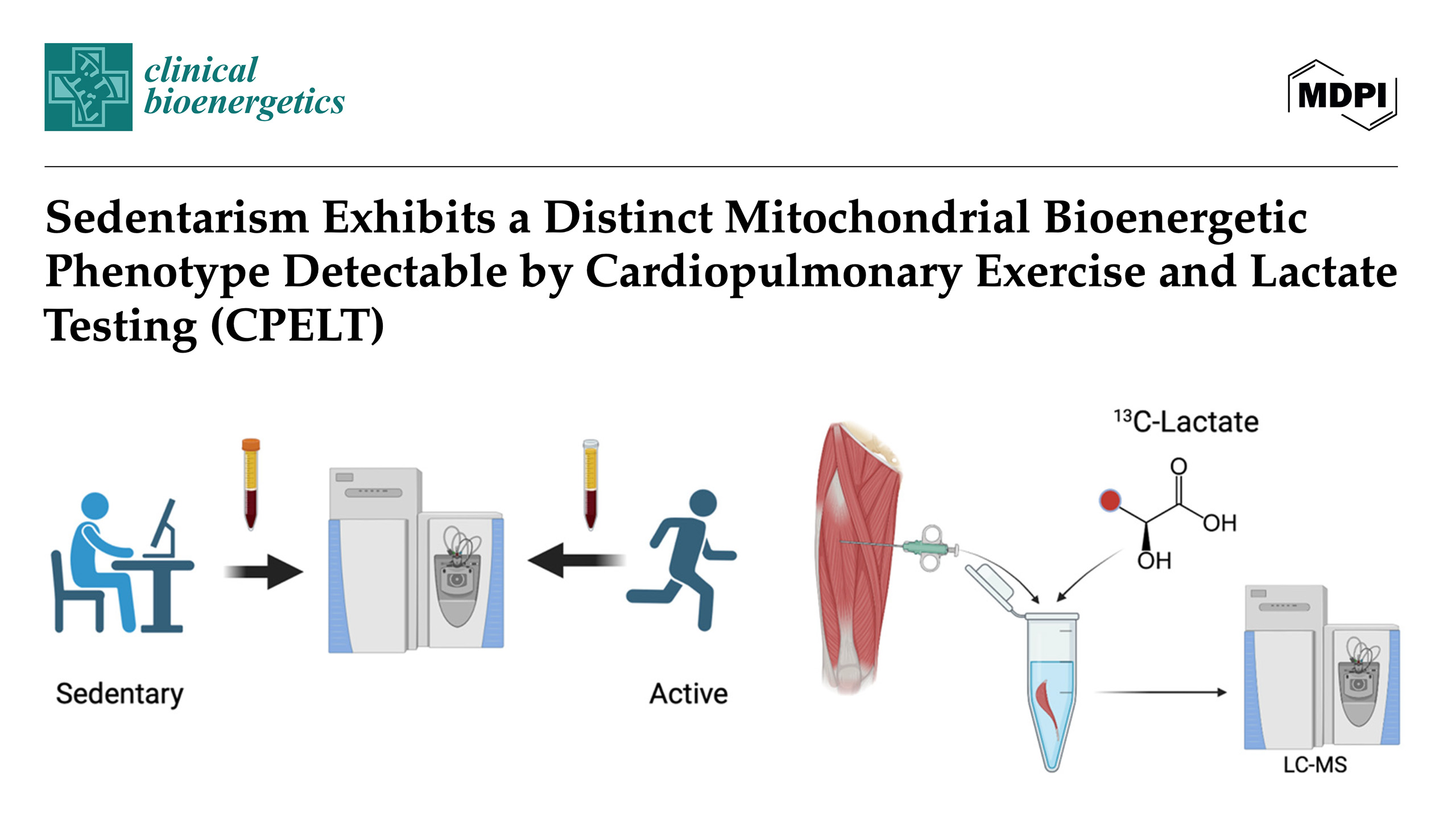
In this new study, researchers found that physical inactivity produces a distinct bioenergetic phenotype characterized by impaired mitochondrial function, reduced fat oxidation, diminished metabolic flexibility, and earlier lactate accumulation during exercise. These changes were present in otherwise healthy adults, suggesting that mitochondrial dysfunction begins long before overt chronic disease develops.
One of the study's most striking findings was a nearly 50% reduction in the mitochondrial pyruvate carrier (MPC1), a protein responsible for transporting pyruvate into mitochondria for energy production. Sedentary participants also showed reduced mitochondrial respiration, impaired pyruvate oxidation, altered cardiolipin composition, and greater reliance on glycolysis, resulting in higher blood lactate levels during moderate exercise.
The authors suggest that simple exercise measures—including lactate responses and fat oxidation during a graded exercise test—may provide practical, noninvasive markers of mitochondrial health. Rather than viewing exercise solely as a treatment for disease, the findings reinforce the idea that regular physical activity is required to maintain normal mitochondrial function and metabolic health.




TUESDAY 260630