



The
Daily
Fix

260822

SATURDAY 260822
0 0 0

Rest

Spinach and Artichoke Stew with Chicken

Working Wounded

Article Heading Photo
Photo of Spinach and Artichoke Stew with Chicken

Rest day

A creamy, comforting stew with tender chicken, spinach, and artichokes in a savory, rich broth.

Injury, athletic performance, rehabilitation, strength, and training through adversity

Tab Photo

The
Daily
Fix

Photo of Spinach and Artichoke Stew with Chicken Article Heading Photo

Enjoy the recovery time, or make-up anything you missed from last week.

Ingredients

1 lb boneless, skinless, chicken thighs, cut into bite-sized pieces
2 Tbsp butter or tallow
2 cloves garlic, minced
1 cup canned artichoke hearts, quartered
3 cups fresh spinach
1 cup chicken broth
½ cup heavy cream
¼ cup grated Parmesan cheese
Salt and black pepper, to taste

Macronutrients
(per serving, makes 4)

Protein: 30g
Fat: 32g
Carbs: 6g

Preparation

Heat butter or tallow in a pot over medium heat. Add chicken and cook until lightly browned.

Stir in garlic and cook for 30 seconds until fragrant.

Add artichokes and chicken broth. Simmer for 10 minutes until the chicken is tender.

Stir in spinach and cook until wilted. Add cream and Parmesan, then season with salt and pepper.

Simmer 3–4 minutes until creamy and thickened. Serve hot.

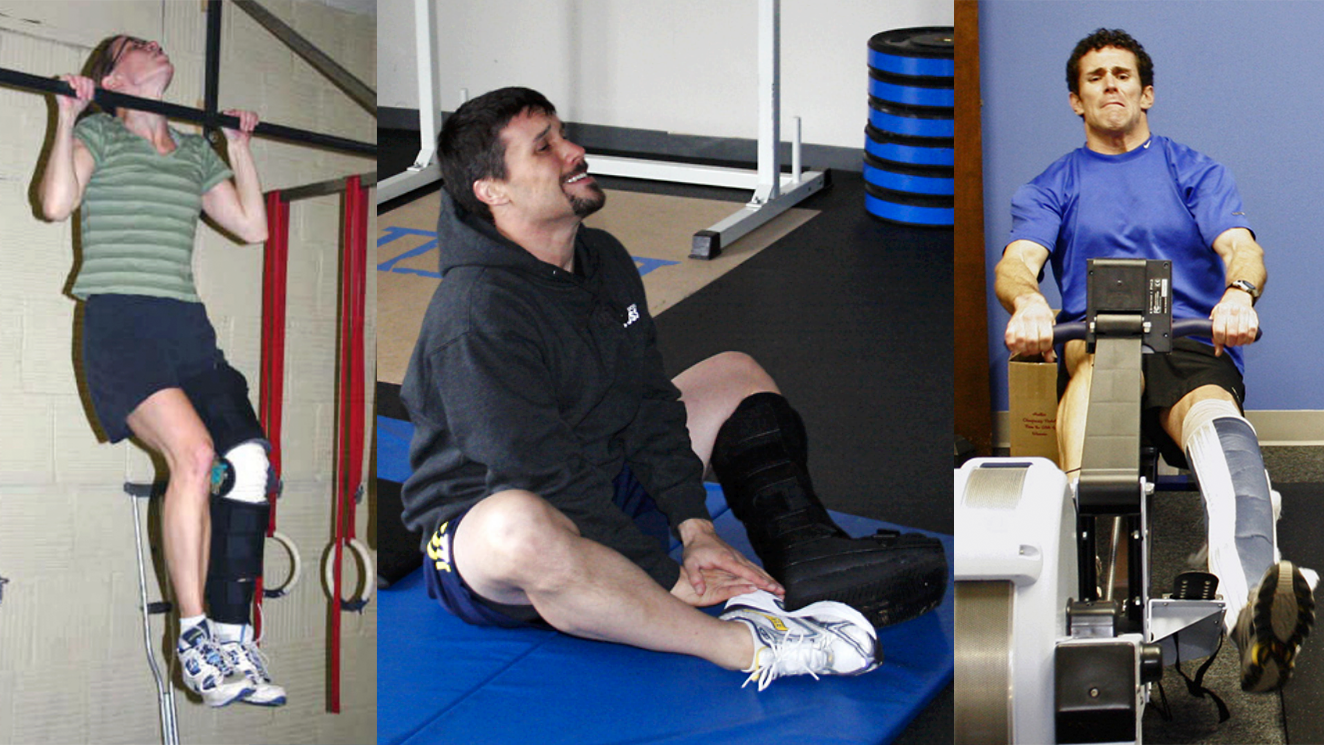
The 2005 Glassman Archive article Working Wounded examines how athletes can continue developing fitness while recovering from injury, arguing that rehabilitation should extend beyond simply returning an injured body part to its pre-injury state. Rather than allowing an injury to bring training to a halt, the article presents a hypothetical athlete restricted from weight-bearing after knee surgery and shows how training can be redirected toward the uninjured limbs, upper body, trunk, mobility, and previously neglected skills.

The approach reframes injury as a constraint that can create an opportunity for focused development. By maintaining intensity and training around the injury, an athlete can preserve fitness, build new strength and skills, reduce the mental toll of inactivity, and potentially return to sport in better overall condition than before. The central idea is simple: successful rehabilitation is not merely about getting back to where you were—it is about using the limitations of injury to become more capable than you were before.

Full Article

COMMENTS

0 COMMENTS 0 COMMENTS 0 COMMENTS SHARE LOGIN PRINT
Log In to leave a comment - Log In?
Go to Top