



The
Daily
Fix

260825

TUESDAY 260825
4 0 0

5 rounds for time:

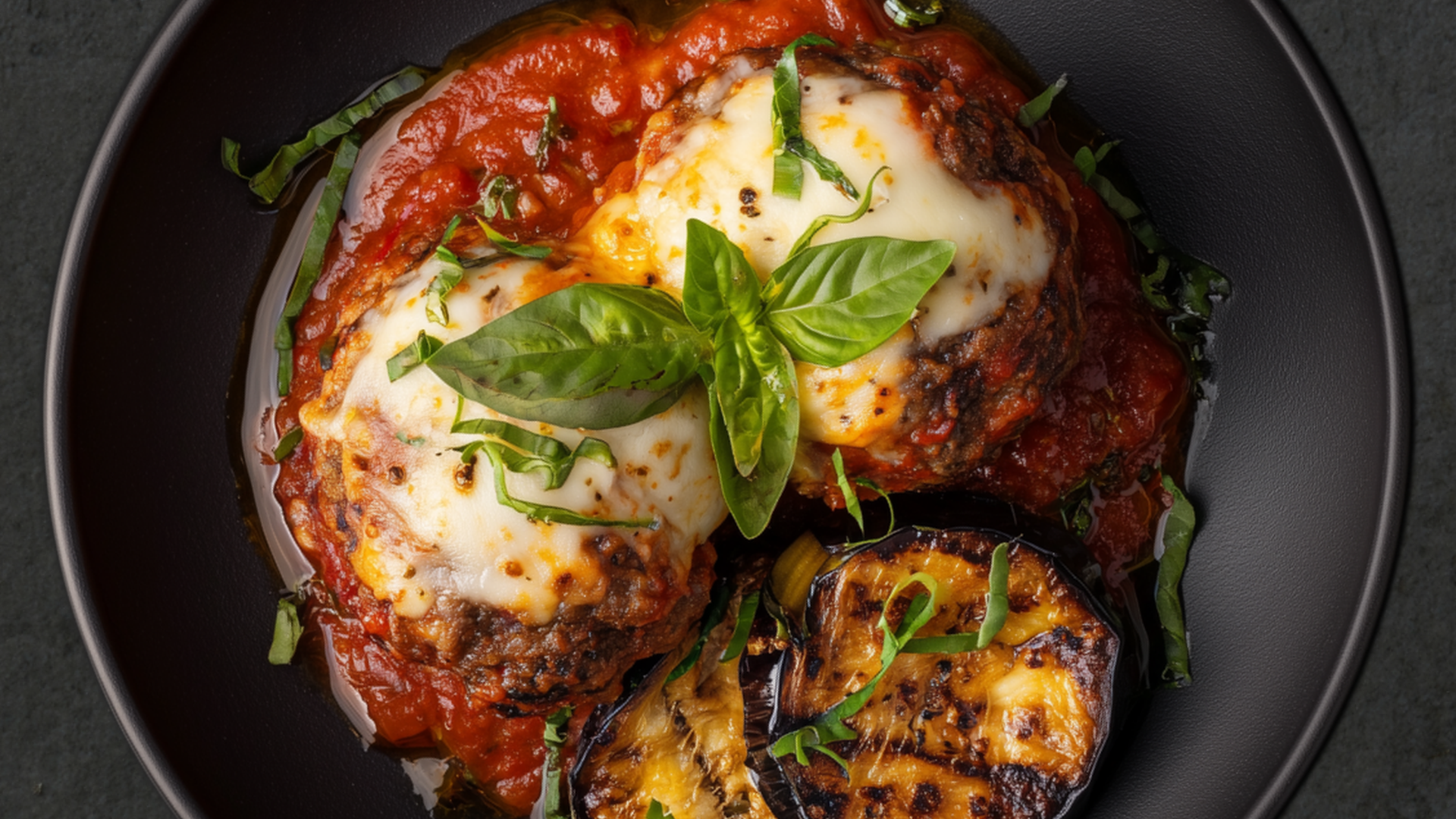
Meatball Parm Bake

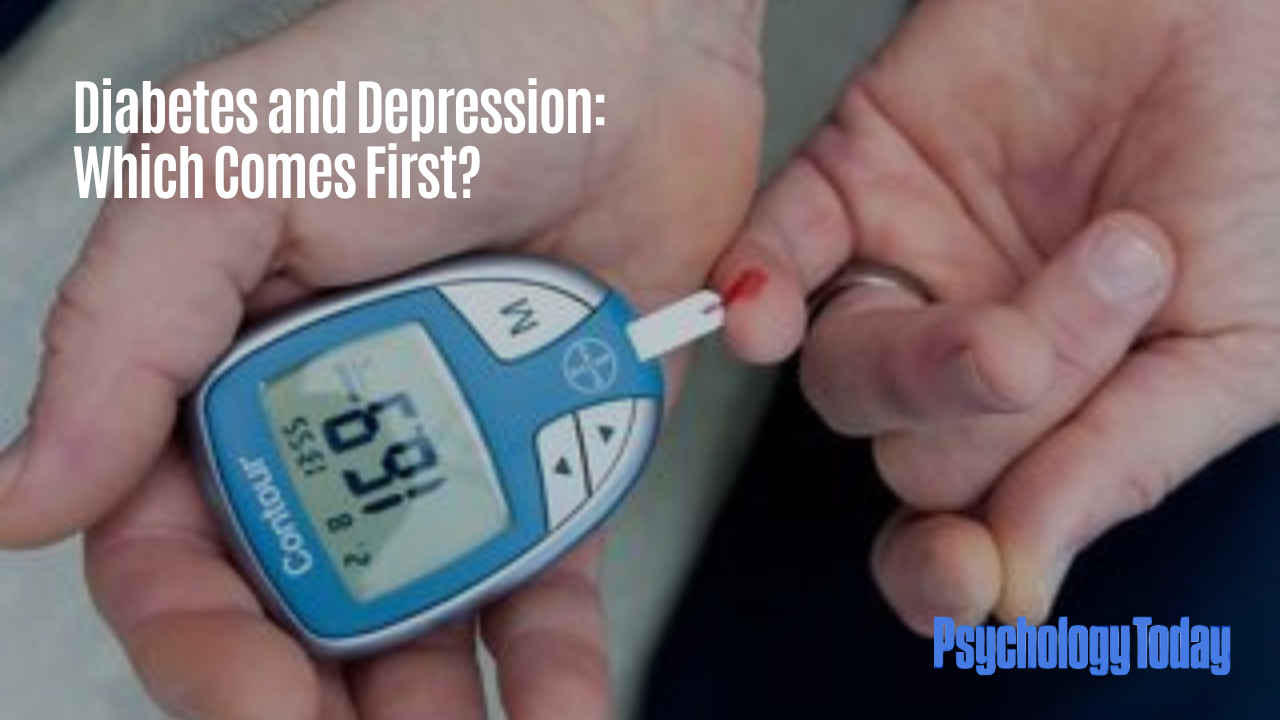
Diabetes and Depression: Which Comes First?

Article Heading Photo
Photo of Meatball Parm Bake

10 bodyweight hang cleans
1 legless rope climb

Italian-style meatballs baked in a sugar-free marinara and finished with bubbling cheese.
Chris Palmer on the metabolic connection between the disorders

Tab Photo

The
Daily
Fix

Photo of Meatball Parm Bake Article Heading Photo

The weight on the cleans should not be more than your 10-rep max. You do not need to squat each rep.

Post time to comments.

Ingredients

1 lb ground beef (85/15 or fattier)
1 egg
2 Tbsp almond flour
1 Tbsp chopped parsley
1 tsp dried oregano
1 tsp garlic powder
½ tsp onion powder
½ tsp salt
¼ tsp black pepper
1 Tbsp butter or ghee (for searing)
1 cup sugar-free marinara (look for one with olive oil, or homemade)
½ cup shredded mozzarella
2 Tbsp grated Parmesan
1 Tbsp olive oil (finishing drizzle)
Fresh basil, for garnish

Macronutrients

Protein: 48g
Fat: 38g
Carbs: 6g

Preparation

In a large bowl, combine ground beef, egg, almond flour, parsley, oregano, garlic powder, onion powder, salt, and pepper. Mix until just combined. Form into 1½-inch meatballs (makes about 12).

Heat butter or ghee in a skillet over medium heat. Sear the meatballs for 2–3 minutes per side until browned (they don’t need to be fully cooked through). Set aside.

Preheat oven to 375°F (190°C). Spread a layer of marinara in a baking dish. Add seared meatballs and cover with remaining marinara. Top with shredded mozzarella and Parmesan, if using.

Bake uncovered for 20–25 minutes, or until meatballs are cooked through and cheese is bubbly and golden.

Drizzle with olive oil and garnish with fresh basil. Serve hot, optionally over sautéed zucchini noodles or roasted eggplant slices.


People with diabetes are about twice as likely to develop clinical depression, but the relationship also runs in the opposite direction: Palmer notes that people with depression have roughly a 60% higher risk of subsequently developing diabetes. Rather than viewing this simply as the psychological burden of living with chronic disease, he points to shared biological factors—including inflammation, elevated cortisol, insulin resistance, and impaired glucose regulation—that may help explain why the two conditions so frequently occur together.

The relationship can also become self-reinforcing. Depression is associated with poorer glucose control and greater insulin resistance in people with diabetes, while depression in diabetic patients tends to persist substantially longer. Palmer argues that treatment should therefore consider the metabolic and psychiatric conditions together. Alongside conventional care, he highlights exercise and dietary interventions, including low-carbohydrate and ketogenic diets, which can dramatically improve insulin resistance and diabetes and may also improve mood and energy.

Full Article

COMMENTS

4 COMMENTS 0 COMMENTS 0 COMMENTS SHARE LOGIN PRINT
guillaume blotiere August 25, 2026 | 05:15 EST
Rx 11:18
Bodyweight 84kg
Seated legless Rope climb(3.6m)
connornilson August 25, 2026 | 15:01 EST
Edited
Scaled 7:45
BW 195# did 135# for hang cleans, coming back from knee surgery
LLRC to 15’
BSage August 25, 2026 | 17:01 EST
12:57
Scaled
75# hpc (185bw)
10 ring rows
troybruun August 25, 2026 | 17:32 EST
5rds 8:33
10 HCL (135lbs)
1 Legless RC (12’)
Log In to leave a comment - Log In?
Go to Top