




Cheddar Broccoli Chicken Skillet With Bell Peppers
A rich, cheesy sauce over tender chicken breast and fresh vegetables.
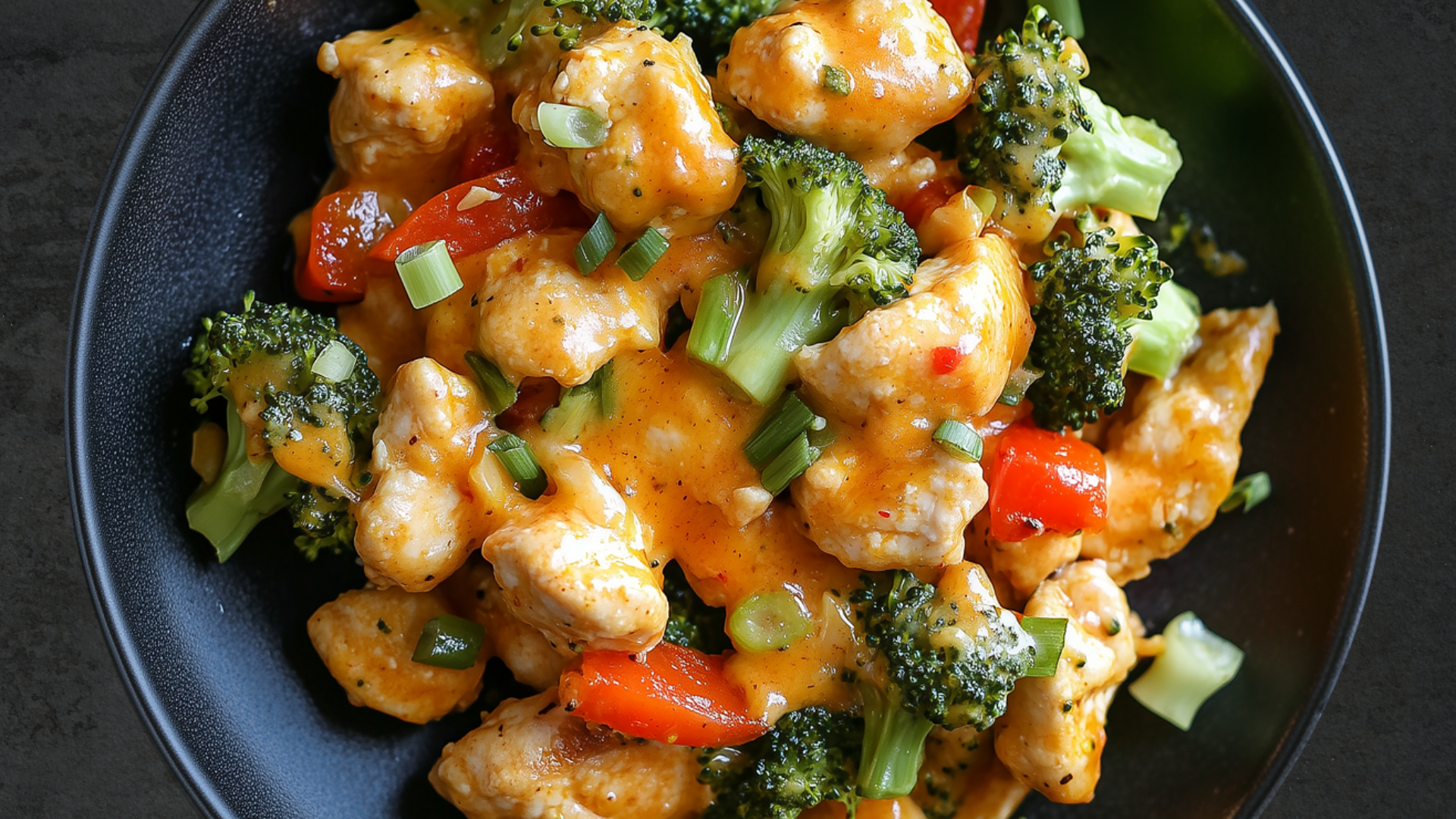
Ingredients:
2½ oz chicken breast (cubed or sliced)
½ cup broccoli florets
½ cup cauliflower florets
1 oz cheddar cheese (shredded)
2 Tbsp red bell pepper (sliced or diced)
1 Tbsp scallions (chopped)
2 tsp butter (or olive oil)
2 Tbsp cream (heavy cream or half-and-half)
Salt and pepper to taste
Macronutrients:
Protein: 32g
Fat: 31g
Carbs: 7g
Preparation:
Cook the chicken: Heat 1 tsp of butter in a skillet over medium-high heat. Season the cubed or sliced chicken pieces (2 ½ oz) with salt and pepper to taste. Add the chicken to the skillet and cook for 4-5 minutes until browned and cooked through. Remove from the skillet and set aside.
Sauté the vegetables: In the same skillet, add the remaining 1 tsp of butter. Add the diced red bell pepper (2 Tbsp), broccoli florets (½ cup), and cauliflower florets (½ cup) to the pan. Sauté for about 4-5 minutes until the vegetables start to soften but still have a bit of crunch.
Add cream and cheese: Lower the heat to medium. Return the cooked chicken to the skillet with the vegetables. Pour in the cream (2 Tbsp) and stir to coat everything. Let it cook for 1-2 minutes until the sauce begins to thicken. Sprinkle the shredded cheddar cheese (1 oz) over the top and stir gently until the cheese is melted and coats the chicken and vegetables.
Serve: Remove from the heat and garnish with chopped scallions (1 Tbsp.) Serve hot.
Tips: Use a mix of cheeses like Monterey Jack or mozzarella for a creamier texture.



SUNDAY 260830