


The
Daily
Fix
For load:
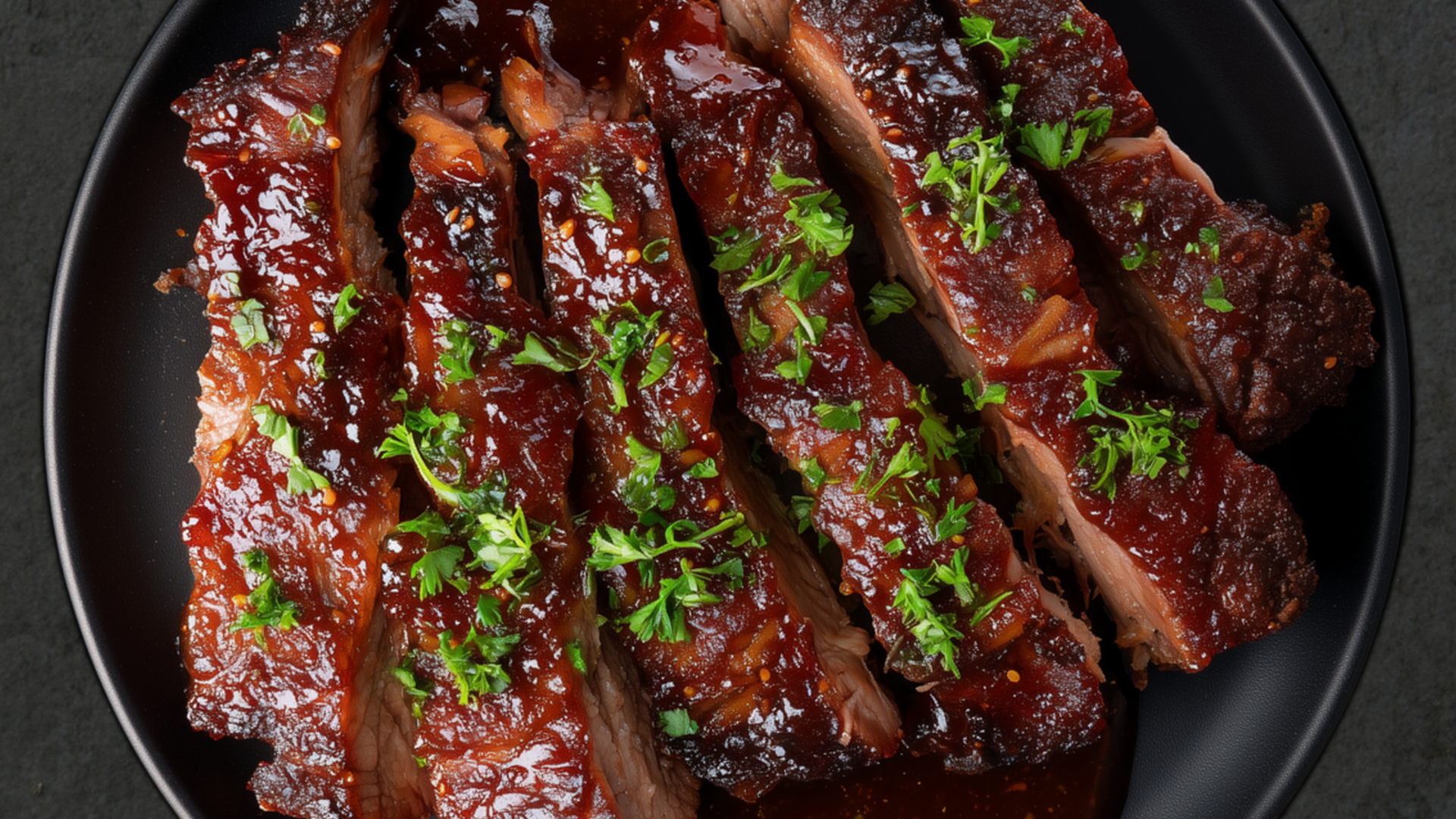
BBQ Brisket
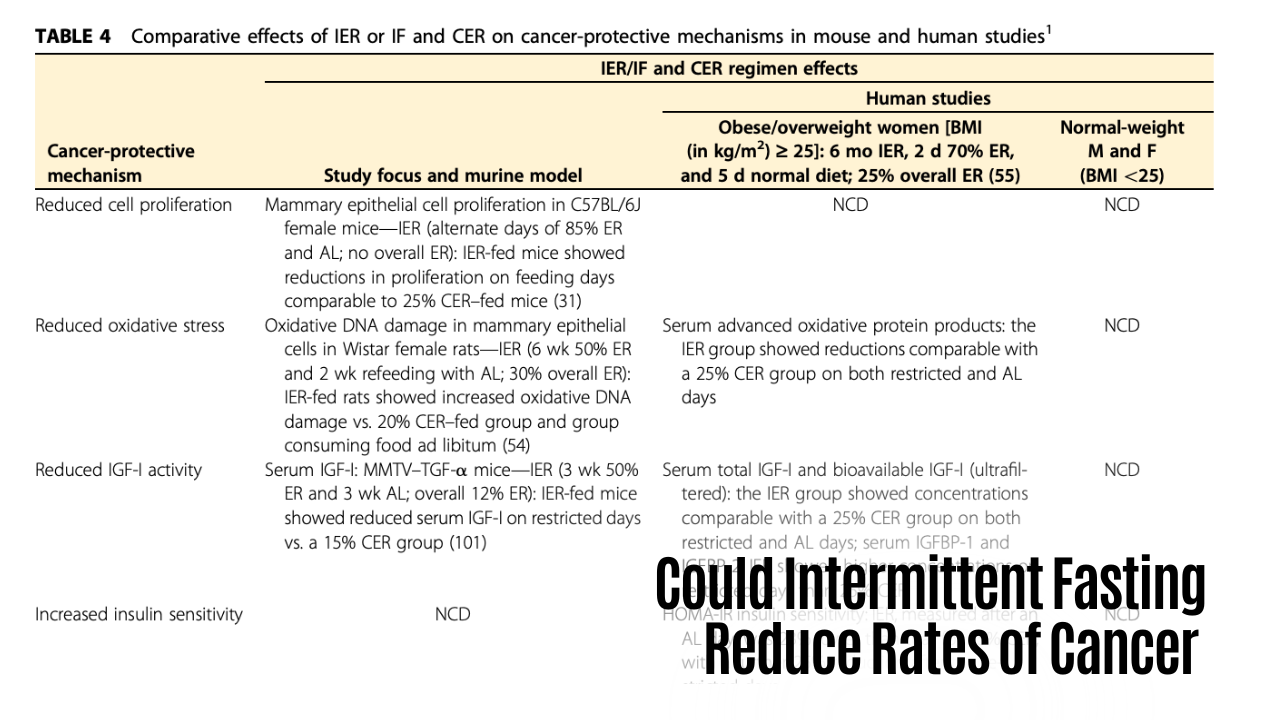
Could Intermittent Fasting Reduce Rates of Cancer
Clean and jerk 1-1-1-1-1-1-1 reps
Slow-cooked beef brisket rubbed with smoky spices, basted with butter, and finished with a tangy low-carb BBQ glaze.
What the evidence actually tells us about intermittent fasting, energy restriction, and cancer
Additionally, practice handstand walking for 20 minutes.
Post loads to comments.
Compare to 260706.
Ingredients
For the Brisket:
4–5 lbs beef brisket, trimmed
3 Tbsp olive oil or tallow
2 Tbsp smoked paprika
1 Tbsp garlic powder
1 Tbsp onion powder
1 Tbsp chili powder
2 tsp ground cumin
1 tsp cayenne pepper (optional, for heat)
1 Tbsp salt
2 tsp black pepper
For Basting:
4 Tbsp butter, melted
½ cup beef broth (unsalted)
For the BBQ Glaze:
½ cup sugar-free ketchup
2 Tbsp apple cider vinegar
2 Tbsp Worcestershire sauce
1 Tbsp Dijon mustard
1 tsp smoked paprika
½ tsp garlic powder
Salt and pepper, to taste
Optional Garnish:
Fresh parsley, chopped
Extra BBQ glaze on the side
Macronutrients
(per serving, serves 8)
Protein: 46g
Fat: 42g
Carbs: 3g
Preparation
Preheat oven to 300°F. Rub brisket with olive oil or tallow. Mix paprika, garlic powder, onion powder, chili powder, cumin, cayenne, salt, and black pepper. Massage spice rub all over brisket.
Place brisket fat-side up in a roasting pan. Cover tightly with foil and bake for 3 hours.
After 3 hours, remove foil. Brush brisket with melted butter and pour broth around it. Continue cooking uncovered for another 2–3 hours, basting every 30 minutes, until internal temp reaches 190–200°F and meat is tender.
While brisket finishes, whisk together ketchup, vinegar, Worcestershire, Dijon, paprika, garlic powder, salt, and pepper in a saucepan. Simmer 8–10 minutes until slightly thickened.
Brush glaze over brisket in the last 20 minutes of cooking.
Rest brisket 20 minutes before slicing against the grain. Serve with extra BBQ glaze.
This 2016 review examines whether intermittent energy restriction (IER) and intermittent fasting (IF) may reduce cancer risk compared with continuous energy restriction. The authors review evidence from animal studies and limited human trials, focusing on potential mechanisms including insulin sensitivity, inflammation, IGF-I, leptin, cell proliferation, and other pathways associated with cancer development.
The evidence is promising but far from conclusive. Animal studies suggest IER can sometimes reduce tumor development, particularly when it results in weight loss and lower overall energy intake, while other models show no benefit or even potentially harmful effects. In humans, short-term studies in overweight and obese subjects suggest intermittent restriction may improve insulin sensitivity and produce similar reductions in inflammatory markers and adipokines as continuous restriction. However, there were no studies directly demonstrating that intermittent fasting or energy restriction reduces cancer rates in humans. The authors ultimately conclude that the evidence is insufficient to recommend intermittent fasting specifically for cancer prevention and call for longer-term, better-controlled studies.




MONDAY 260831