



The
Daily
Fix

260902

WEDNESDAY 260902
1 0 0

For load:

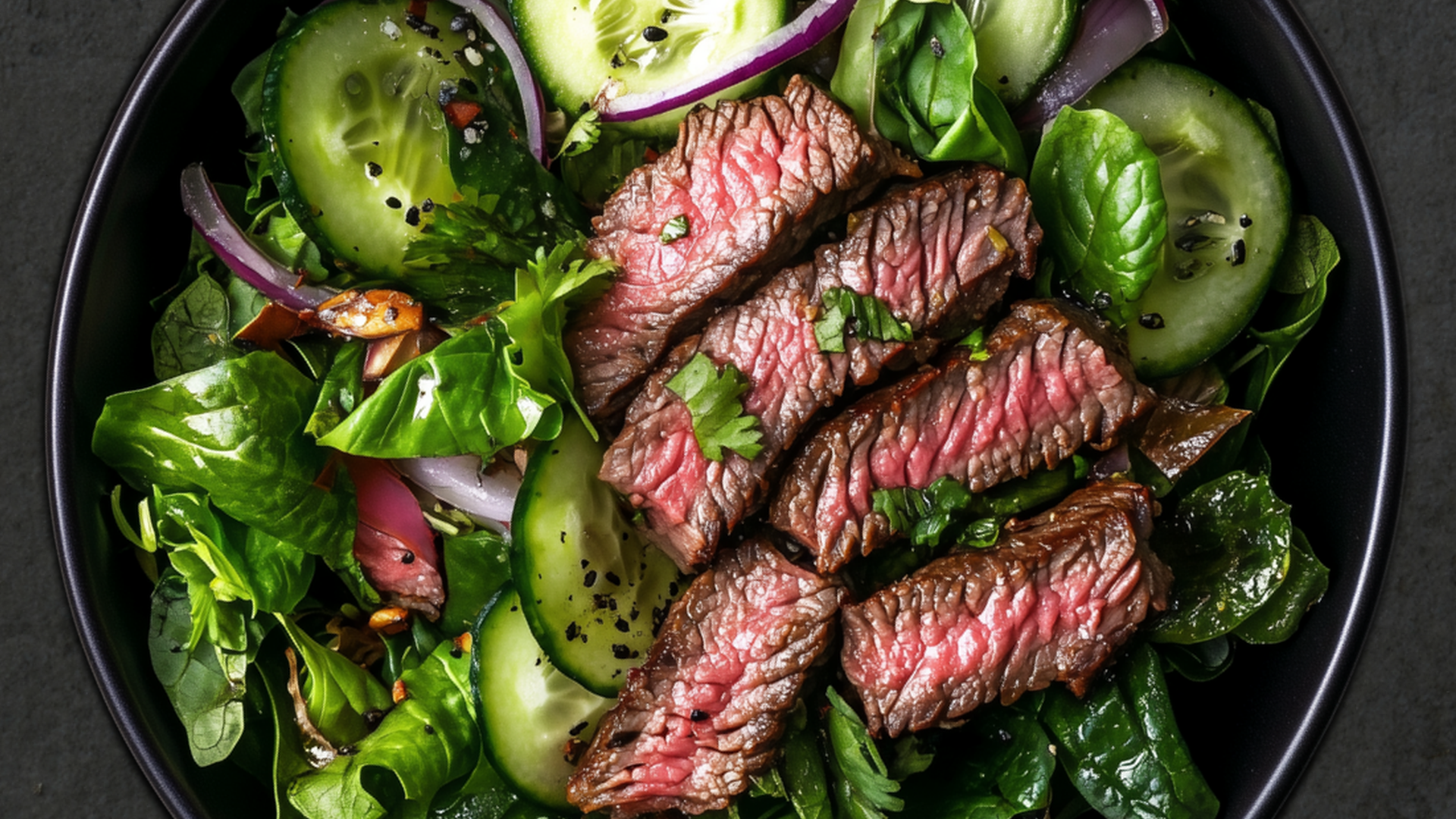
Thai Steak Salad with Spicy Lime Dressing

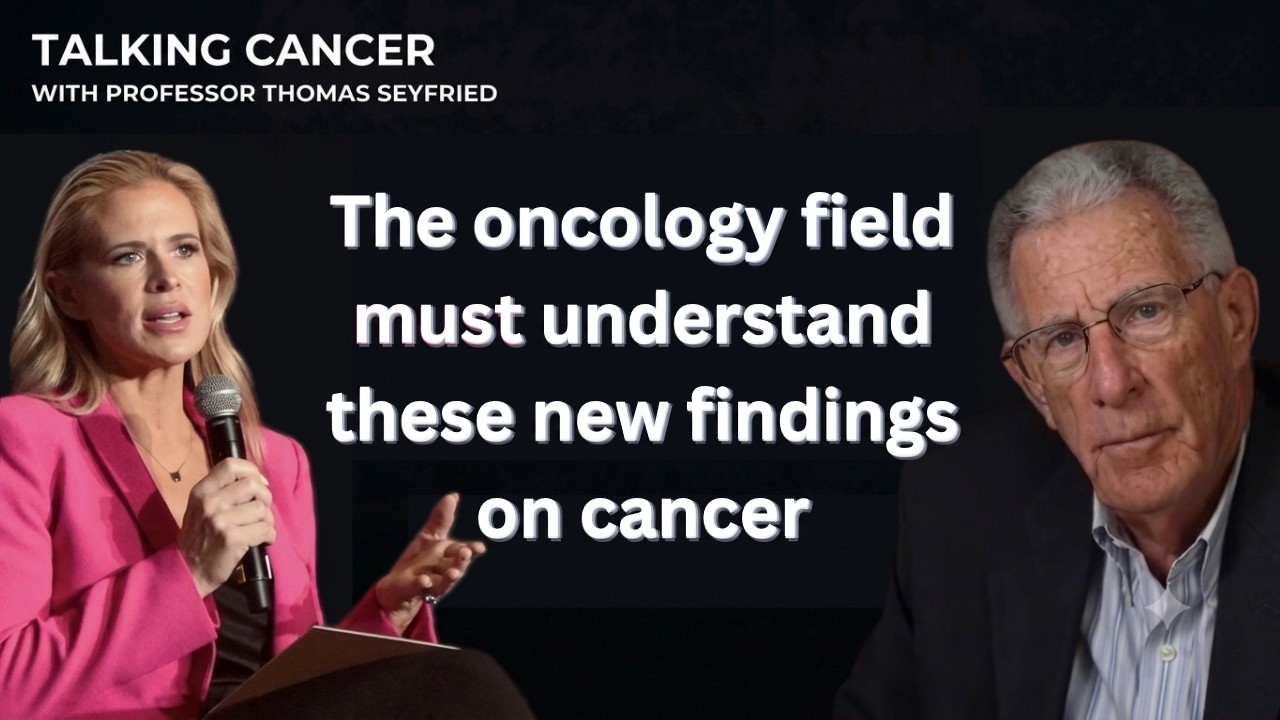
Emily Kaplan and Thomas Seyfried on Rethinking Cancer

Article Heading Photo
Photo of Thai Steak Salad with Spicy Lime Dressing

Overhead squat 5-5-3-3-3-1-1-1-1 reps

Seared steak served over crisp greens and fresh herbs, tossed in a tangy, spicy lime dressing for a bold and refreshing meal.
Metabolic therapies, mitochondrial dysfunction, and what’s holding back progress

Tab Photo

The
Daily
Fix

Photo of Thai Steak Salad with Spicy Lime Dressing Article Heading Photo

Additionally, stretch for 10 minutes.

Post loads to comments.

Compare to 250306.

Ingredients

6 oz flank ribeye or sirloin
Salt and pepper, to taste
1 tsp butter (for cooking steak)
1 cup mixed greens or chopped romaine
¼ cup sliced cucumber
2 Tbsp sliced red onion
1 Tbsp chopped fresh cilantro
1 Tbsp chopped fresh basil

For the Spicy Lime Dressing:
1 Tbsp white vinegar
1 Tbsp lime juice
1 Tbsp soy sauce (or coconut aminos)
½ tsp chili flakes (or more to taste)
½ tsp minced garlic

Macronutrients

Protein: 42g
Fat: 28g
Carbs: 4g

Preparation

Season the steak (6 oz) on both sides with salt and pepper. Heat butter (1 tsp) in a skillet over medium-high heat. Sear the steak for 3–4 minutes per side, or until it reaches your preferred doneness. Remove from the pan and let rest for 5 minutes before slicing thinly against the grain.

In a small bowl, whisk together soy sauce (1 Tbsp), lime juice (1 Tbsp), white vinegar (1 Tbsp), chili flakes (½ tsp), and minced garlic (½ tsp) to create the spicy lime dressing.

In a mixing bowl, combine mixed greens (1 cup), sliced cucumber (¼ cup), sliced red onion (2 Tbsp), chopped cilantro (1 Tbsp), and chopped basil (1 Tbsp). Toss with half of the dressing until evenly coated.

To assemble, place the dressed greens in a serving bowl, top with the sliced steak, and drizzle with the remaining dressing. Serve immediately for best texture and flavor.

Emily Kaplan joins Professor Thomas Seyfried for a wide-ranging conversation about the metabolic theory of cancer and why metabolic approaches have struggled to move from research into routine clinical care. Seyfried discusses recent findings from his lab, including work on pediatric glioma and hereditary cancer syndromes, while they explore ketogenic metabolic therapy, repurposed drugs, the GKI, and strategies aimed at exploiting cancer cells’ metabolic vulnerabilities.

They also discuss the larger scientific and institutional barriers surrounding cancer research—from unreliable published studies and pharmaceutical influence to the continued dominance of the somatic mutation theory. They point out ongoing clinical trials combining ketogenic diets with conventional cancer treatment, the possibility of reducing drug toxicity while improving treatment effectiveness, and what it would take for metabolic approaches to become a larger part of oncology.

Watch

COMMENTS

1 COMMENT 0 COMMENTS 0 COMMENTS SHARE LOGIN PRINT
BSage September 02, 2026 | 16:45 EST
35-40.5-46-51.5-55-55-55-55-55
Log In to leave a comment - Log In?
Go to Top