



The
Daily
Fix

260915

TUESDAY 260915
0 0 0

Rest

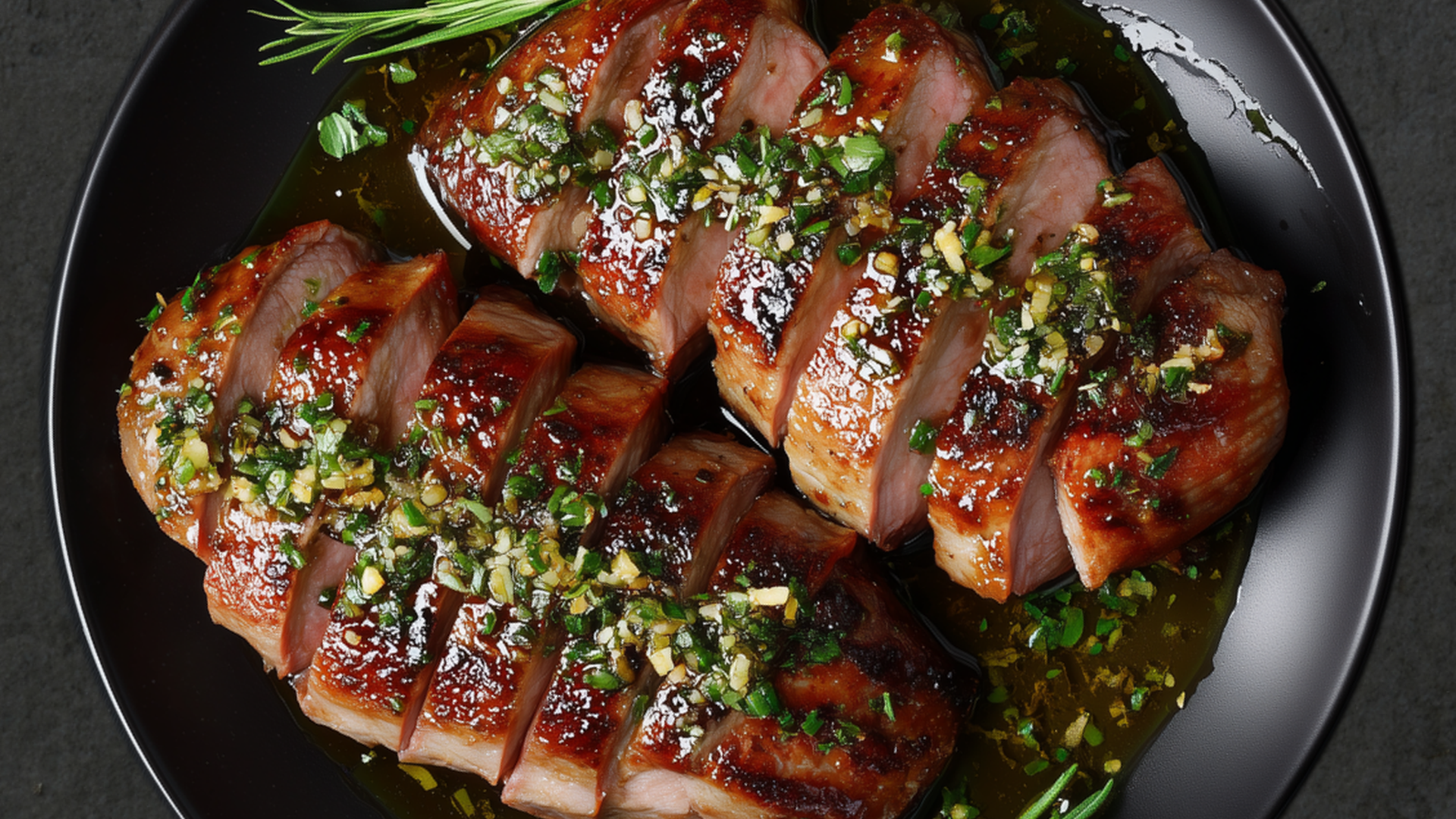
Duck with Herb Butter

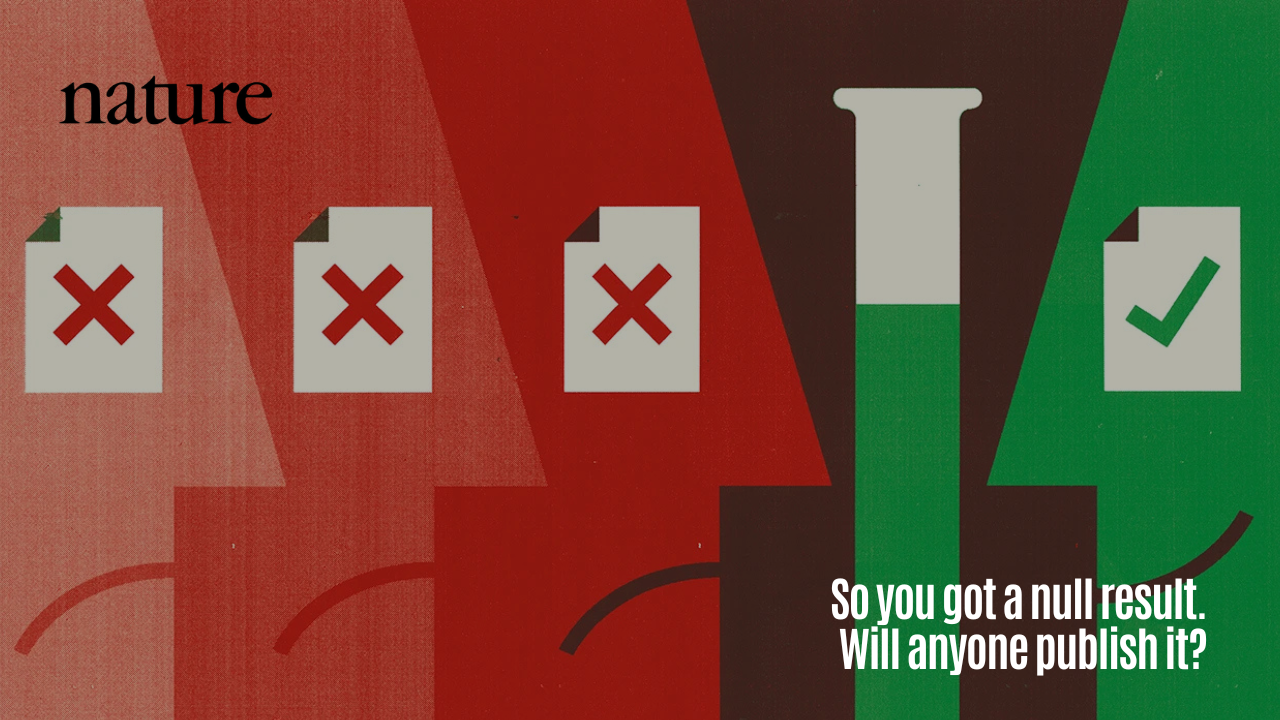
So You Got a Null Result. Will Anyone Publish It?

Article Heading Photo
Photo of Duck with Herb Butter

Rest day

Pan-seared duck breast topped with a melting disc of aromatic herb butter.
What happens when research doesn’t produce the result we expected, and why negative findings still matter to science.

Tab Photo

The
Daily
Fix

Photo of Duck with Herb Butter Article Heading Photo

Enjoy the recovery time, or make-up anything you missed from last week.

Ingredients

2 duck breasts (skin on, about 6 oz each)
Salt and pepper, to taste
½ tsp garlic powder
½ tsp dried thyme
2 Tbsp softened butter or ghee
1 tsp fresh rosemary, finely minced
1 tsp fresh thyme, minced
1 tsp fresh parsley, minced
½ clove garlic, finely grated
Zest of ¼ lemon
Pinch of salt

Macronutrients
(makes 2 servings)

Protein: 44g
Fat: 40g
Carbs: 1g

Preparation

In a small bowl, mix softened butter with rosemary, thyme, parsley, garlic, lemon zest, and salt. Roll into a small log in parchment or plastic wrap and refrigerate until firm.

Pat duck breasts dry. Score the skin in a criss-cross pattern, being careful not to cut into the meat. Season both sides with salt, pepper, garlic powder, and thyme.

Place duck breasts skin-side down in a cold, dry skillet. Turn heat to medium. Let the fat render slowly—about 8–10 minutes—until the skin is deeply golden and crisp. Flip and cook 3–5 minutes on the meat side for medium-rare. Rest 5 minutes before slicing.

Slice the duck breast and top each serving with a slice of herb butter. Let it melt over the warm duck. Optional: serve with sautéed greens or roasted cauliflower mash.

This article explores what happens when scientific research produces a null, negative, or inconclusive result—and why those findings are often harder to publish than studies that produce a clear positive result. Nature follows researchers who have encountered unexpected results and examines the broader problem of publication bias in scientific research.

The problem is bigger than whether one study gets published. When positive findings are more likely to make it into journals while null results disappear into file drawers, the published literature can give researchers and the public a distorted picture of what the evidence actually shows. The article looks at several efforts to address this problem, including changes to publishing practices and greater emphasis on preregistration and study designs that commit researchers to a question before they know the outcome.

The bigger question is what happens to science when we only see the studies that “work.” Null results are not failures—they can challenge assumptions, prevent researchers from pursuing dead ends, and provide an important part of the evidence needed to understand what is actually true. A healthier scientific system needs to make room for findings that contradict expectations, not just findings that confirm them.

Full Article

COMMENTS

0 COMMENTS 0 COMMENTS 0 COMMENTS SHARE LOGIN PRINT
Log In to leave a comment - Log In?
Go to Top