




Chicken Shawarma
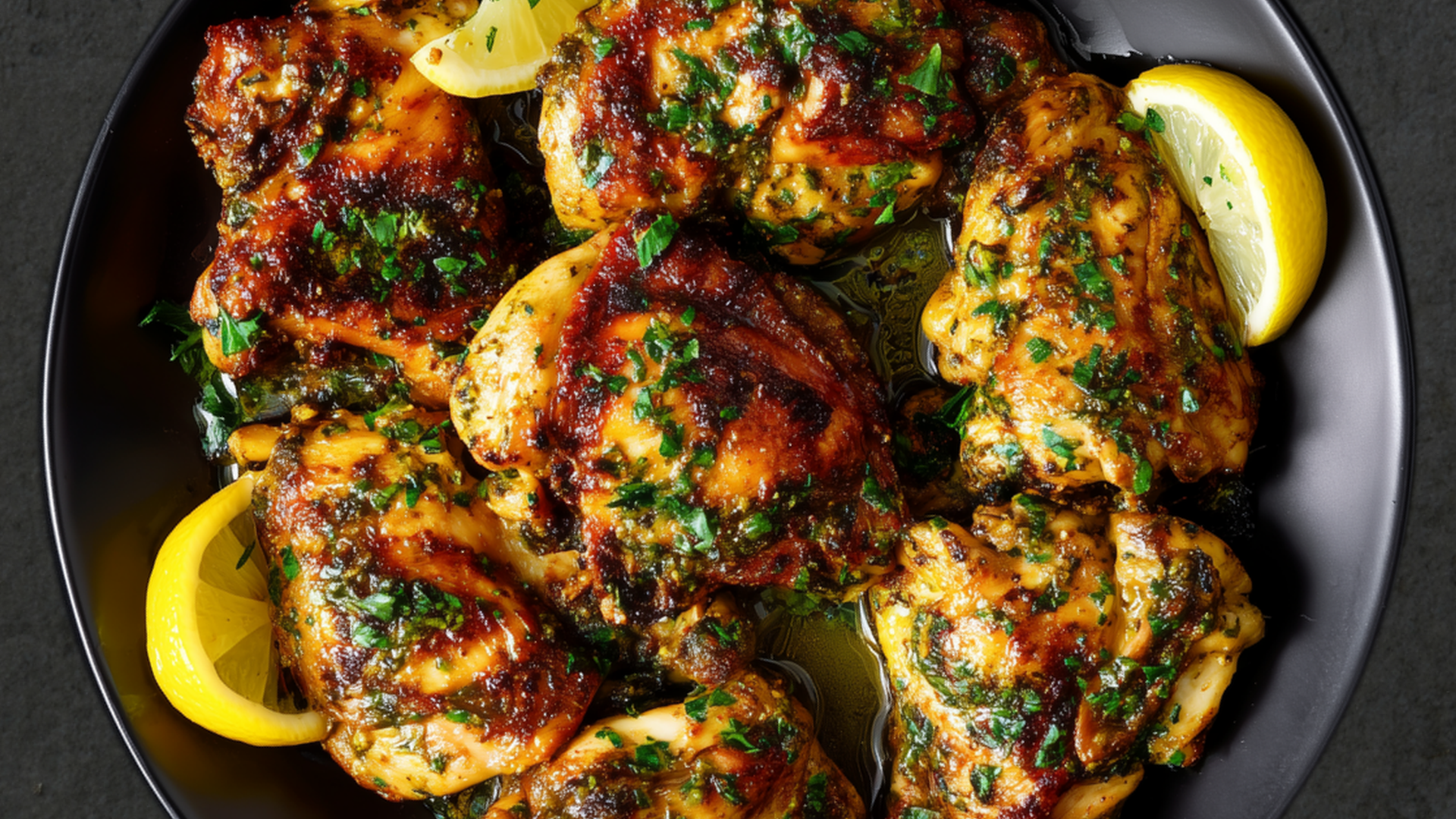
Spiced chicken thighs marinated in warm Middle Eastern spices and seared in rich, golden butter, served with cucumber yogurt sauce or cauliflower tabbouleh.
Ingredients
2 chicken thighs
1 Tbsp melted butter (for marinade)
1 Tbsp butter (for cooking)
1 Tbsp lemon juice
1 clove garlic, minced
1 tsp ground cumin
1 tsp smoked paprika
½ tsp ground coriander
½ tsp ground turmeric
¼ tsp ground cinnamon
½ tsp garlic powder
½ tsp onion powder
Salt and pepper, to taste
1 Tbsp olive oil (for garnish)
Fresh parsley or mint, for garnish
Lemon wedges, for serving
Macronutrients
Protein: 40g
Fat: 70g
Carbs: 7g
Preparation
In a bowl, whisk together melted butter (2 Tbsp), lemon juice (1 Tbsp), minced garlic (1 clove), ground cumin (1 tsp), smoked paprika (1 tsp), ground coriander (½ tsp), ground turmeric (½ tsp), ground cinnamon (¼ tsp), garlic powder (½ tsp), onion powder (½ tsp), and salt and pepper to taste.
Add chicken thighs and coat thoroughly in the marinade. Cover and refrigerate for at least 30 minutes, ideally 2–4 hours.
Heat butter (2 Tbsp) in a skillet over medium heat. Once melted and bubbling, add the marinated chicken thighs.
Cook for 5–6 minutes per side, or until deeply golden and cooked through (internal temperature should reach 165 °F/74 °C).
Remove from heat and let rest for 2–3 minutes before slicing.
Serve warm, topped with chopped fresh parsley or mint, a drizzle of olive oil (optional), and lemon wedges. Great with cauliflower rice, lettuce wraps, or a side of garlic yogurt sauce.



THURSDAY 261001