
At the 2026 Unbreakable Health Retreat in Miami, Professor Thomas Seyfried presented the case that cancer is fundamentally a mitochondrial metabolic disease rather than primarily a genetic one. He contrasts the dominant somatic mutation theory with a metabolic model in which impaired mitochondrial respiration drives a shift toward fermentation, dysregulated cell growth, and the mutations commonly associated with cancer.
Citing the work of Otto Warburg and research from his lab at Boston College, Seyfried explains how cancer cells rely heavily on fermentable fuels—particularly glucose and glutamine—and why mitochondrial dysfunction sits upstream of many of the genetic abnormalities seen in tumors. He also discusses reactive oxygen species, altered cellular signaling, and the role of mitochondria in regulating cell growth and behavior.
The presentation then turns to the therapeutic implications of this model. Seyfried explains strategies aimed at placing tumor cells under metabolic stress by restricting the fuels they depend on, including ketogenic metabolic therapy and approaches targeting glucose and glutamine. For Seyfried, the therapeutic target follows directly from the biology: restrict the fuels cancer cells depend on, exploit their metabolic weaknesses, and treat mitochondrial dysfunction as the central feature of the disease.
An abbreviated version of this discussion is available here, for free.
MetFix and BSI Members can view the full 54-minute video here (members only).

Let's start with the truth!

Support the Broken Science Initiative.
Subscribe today →
recent posts
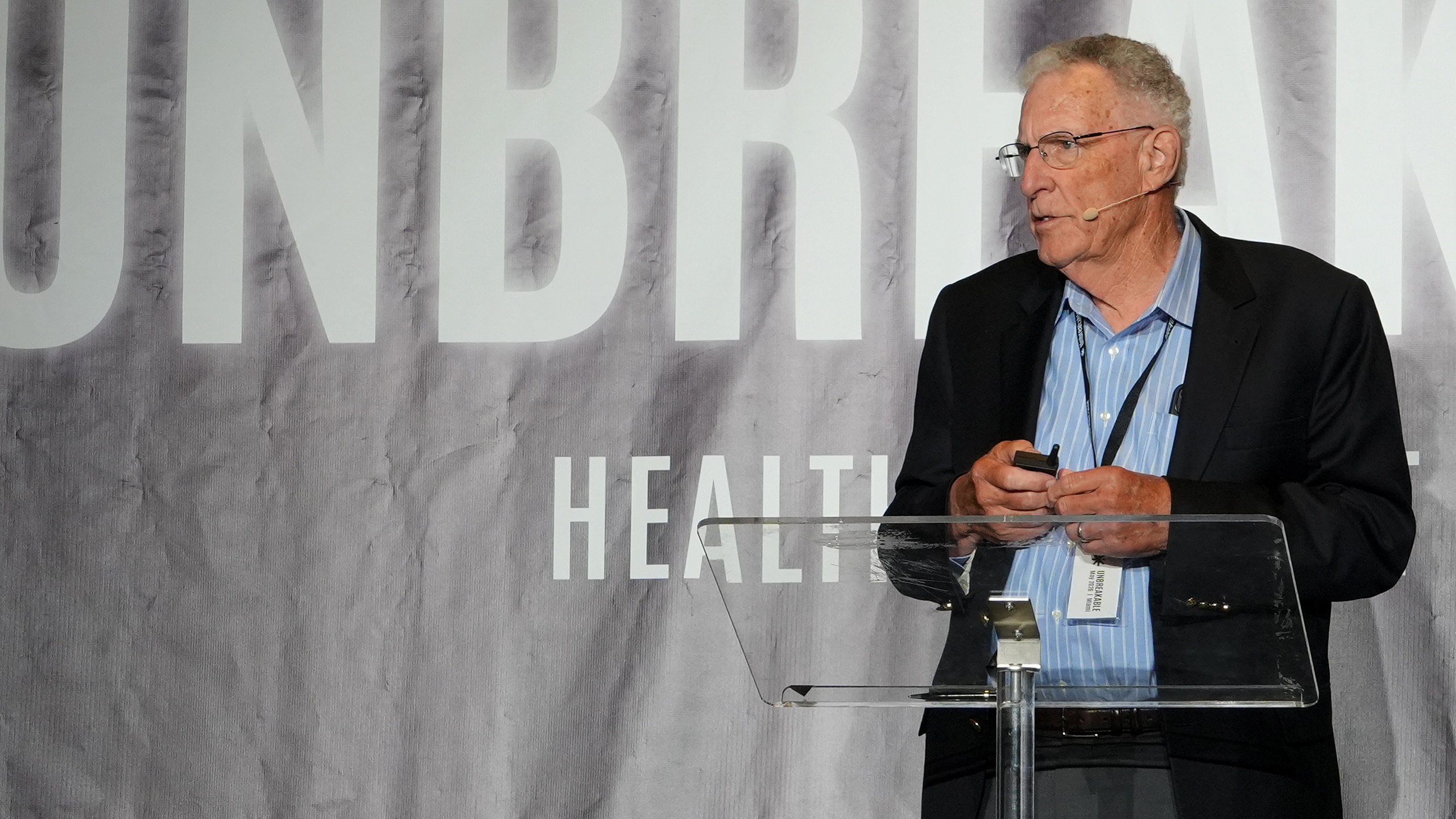
Cancer as a metabolic disease—and the case against the somatic mutation theory

Metabolic health, medical education, and the case for bringing clinicians and coaches together
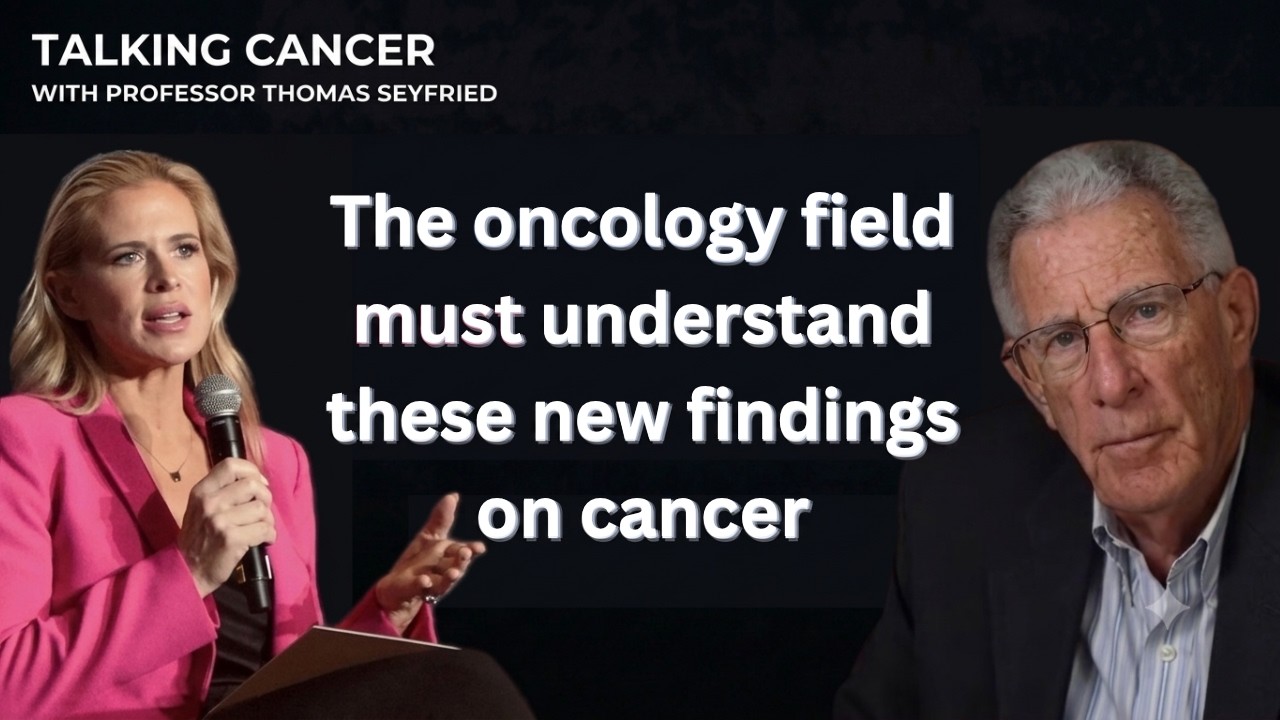
Metabolic therapies, mitochondrial dysfunction, and what’s holding back progress