




The
Daily
Fix

260325

WEDNESDAY 260325
0 0 0

7 rounds for time:

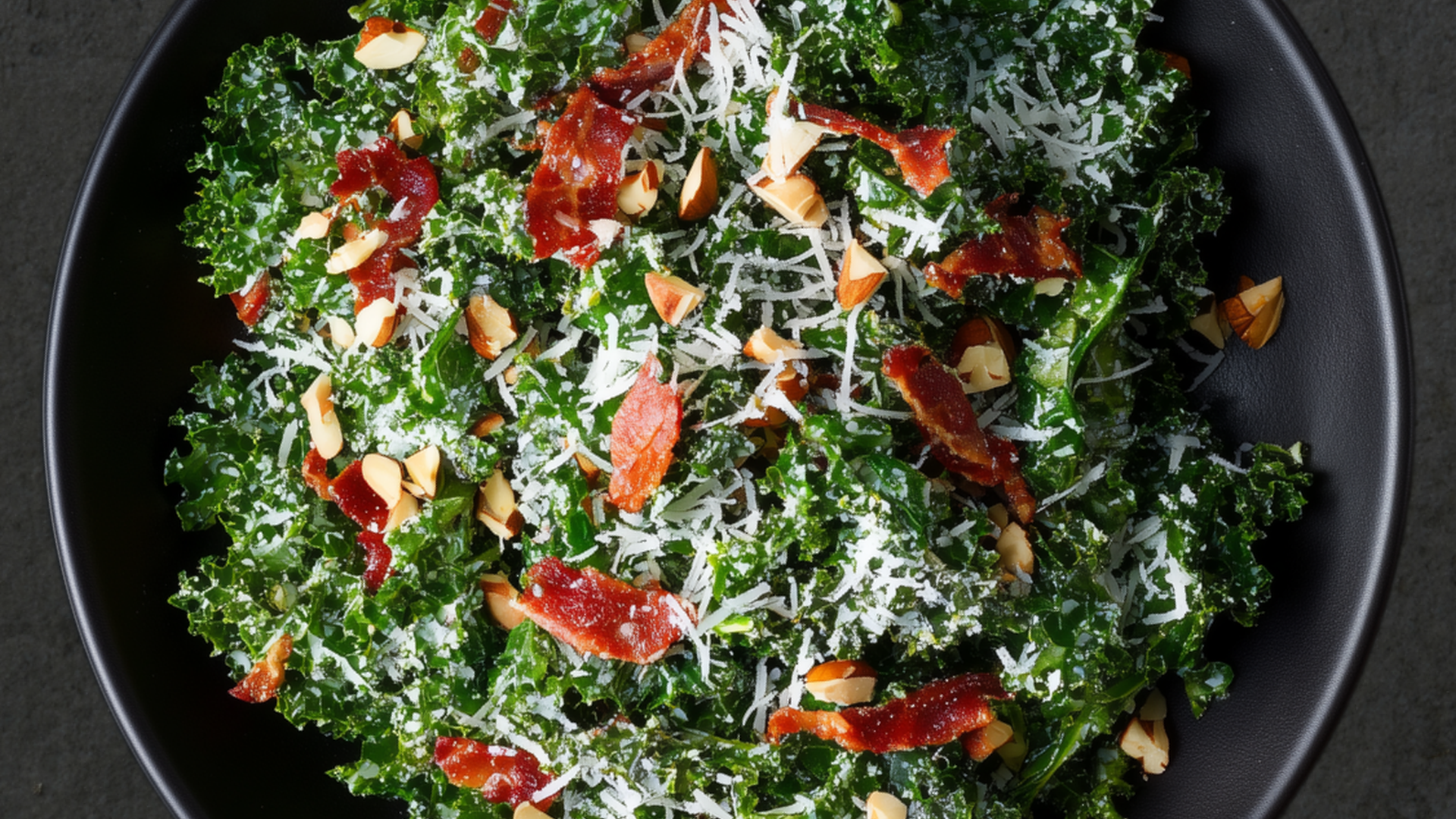
Kale Salad with Crispy Prosciutto

The Paradox of Working Hard and Going High (on the Glucometer)

Article Heading Photo
Photo of Kale Salad with Crispy Prosciutto

Run 400 meters
Rest 2 minutes

A bright, crunchy kale salad tossed with lemon dressing and topped with salty, crisp prosciutto.
Understanding why high-intensity effort can send glucose higher before it comes back down.

Tab Photo

The
Daily
Fix

Photo of Kale Salad with Crispy Prosciutto Article Heading Photo

Additionally, practice handstands for 10 minutes and stretch for another 10 minutes.

Post total time to comments.

Compare to 250804.

Ingredients

4 cups chopped kale, stems removed
4 slices prosciutto
1 Tbsp butter or tallow (for crisping prosciutto)
¼ cup grated Parmesan cheese
1 Tbsp lemon juice
2 Tbsp extra virgin olive oil (for finishing)
Salt and black pepper, to taste
Optional: ¼ cup toasted almonds or walnuts for crunch

Macronutrients
(per serving, serves 4)

Protein: 9g
Fat: 16g
Carbs: 3g

Preparation

Heat butter or tallow in a skillet over medium heat. Add prosciutto slices in a single layer and cook 1–2 minutes per side until crisp. Transfer to a paper towel–lined plate to cool.

Place chopped kale in a large bowl. Drizzle with lemon juice, olive oil, and a small pinch of salt.

Massage the kale gently with your hands for 1–2 minutes until it softens and darkens in color.

Add grated Parmesan and black pepper, tossing to combine.

Break the crispy prosciutto into pieces and sprinkle over the salad.

Add nuts if desired, toss lightly, and serve immediately. Pair with your favorite protein for a complete meal.

High-intensity exercise can paradoxically raise blood glucose, even though moderate physical activity typically lowers it. This temporary spike occurs because intense effort activates the sympathetic nervous system, releasing catecholamines that stimulate the liver to rapidly produce and release glucose through glycogen breakdown and gluconeogenesis. During very hard exercise, hepatic glucose output can exceed the muscles’ capacity to use it, causing blood glucose to rise before it eventually falls as insulin sensitivity improves during recovery. In people without diabetes the spike is usually brief and self-correcting, but in individuals with Type 1 diabetes—who lack the endogenous insulin response that normally reins in the surge—the rise can be more pronounced and longer lasting. Understanding the physiology behind this response allows athletes, coaches, and clinicians to anticipate it and apply practical strategies in training and recovery to help moderate post-exercise glucose elevations.

Read the article

COMMENTS

0 COMMENTS 0 COMMENTS 0 COMMENTS SHARE LOGIN PRINT
Log In to leave a comment - Log In?
Go to Top