



The
Daily
Fix

260326

THURSDAY 260326
3 0 1

10 rounds:

Almond-Coconut Pancakes

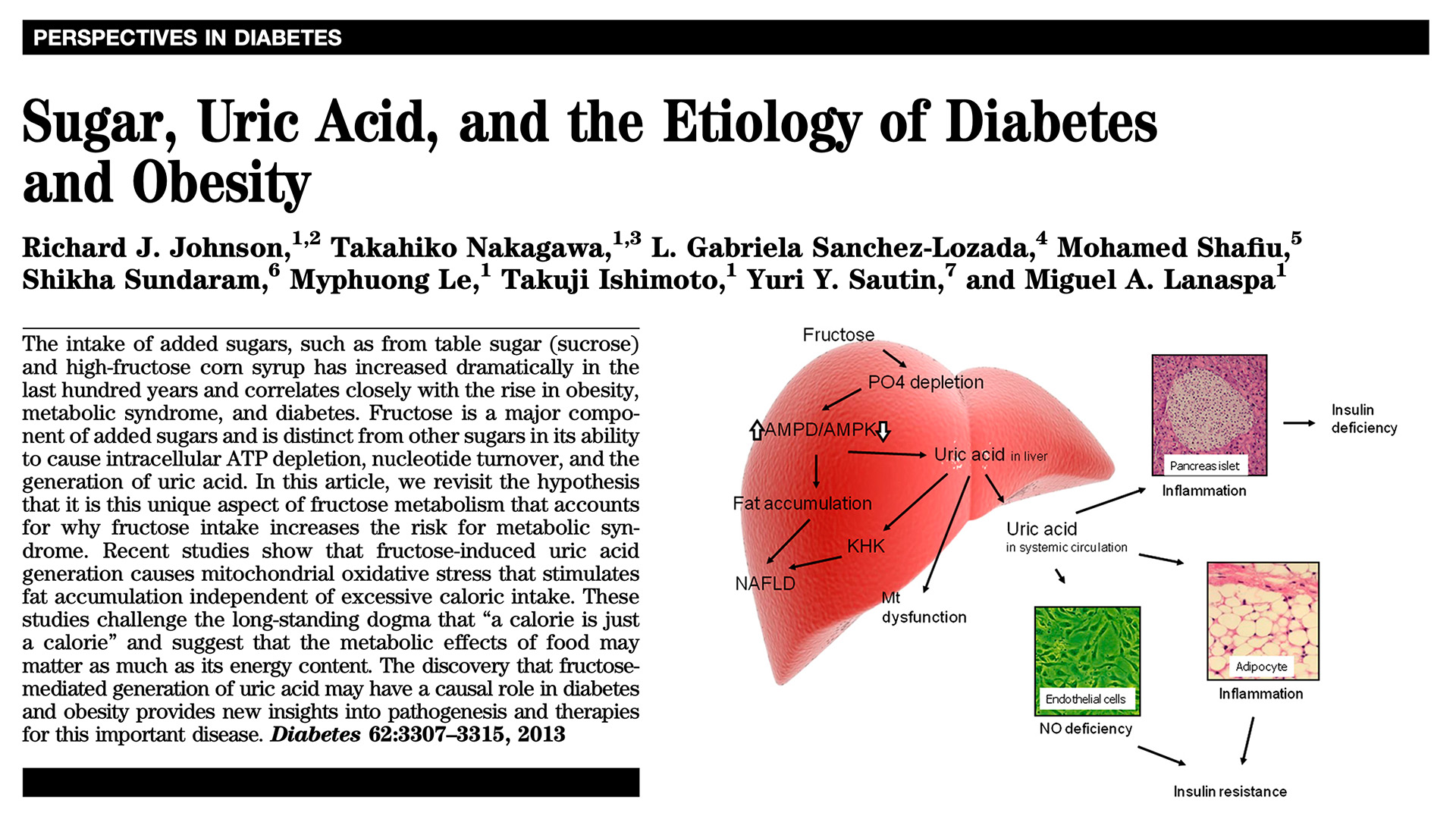
Sugar, Uric Acid, and the Etiology of Diabetes and Obesity

Article Heading Photo
Photo of Almond-Coconut Pancakes

1 minute on, 1 minute off, of:

1 power snatch + 2 overhead squats

Fluffy pancakes made with almond flour, coconut flour, and eggs.

Revisiting fructose metabolism as a driver of metabolic disease

Tab Photo

The
Daily
Fix

Photo of Almond-Coconut Pancakes Article Heading Photo

Use a dumbbell that is ⅓ your bodyweight. Alternate arms each set.

Post load used and reps completed each minute to comments.

Ingredients

2 large eggs
2 Tbsp almond flour
1 Tbsp coconut flour
1 Tbsp grass-fed collagen peptides or whey isolate (unsweetened)
2 Tbsp full-fat coconut milk
1 Tbsp melted butter (plus more for cooking)
½ tsp baking powder
¼ tsp vanilla extract (optional)
Pinch of salt

Optional topping:
1 Tbsp whipped coconut cream or a few crushed pecans

Macronutrients
(per serving, makes one)

Protein: 22g
Fat: 25g
Carbs: 6g

Preparation

In a bowl, whisk together eggs, coconut milk, melted butter, and vanilla (if using). Add almond flour, coconut flour, protein powder, baking powder, and salt. Whisk until smooth. Let the batter sit for 3–5 minutes to thicken.

Heat a nonstick skillet or griddle over medium-low heat and add a small amount of butter. Pour batter to form 2–3 small pancakes. Cook for 2–3 minutes per side, flipping gently when bubbles form on the surface. Repeat with remaining batter.

Stack pancakes and top with a small dollop of whipped coconut cream or crushed pecans. Optional: drizzle with a touch of melted butter or a keto-friendly syrup substitute.

This 2013 paper by Richard Johnson et al. proposes that fructose uniquely contributes to obesity and diabetes through its ability to generate uric acid during metabolism. Unlike glucose, fructose rapidly depletes cellular ATP, activating pathways that increase uric acid, mitochondrial oxidative stress, and fat synthesis—effects that can occur even without excess caloric intake. Experimental and clinical data suggest that high fructose or sucrose intake promotes fatty liver, insulin resistance, and metabolic syndrome, partly mediated by uric acid–induced inhibition of energy-regulating enzymes. The authors argue that these findings challenge the notion that “a calorie is just a calorie,” positioning uric acid metabolism as a potential therapeutic target in obesity and diabetes prevention.

Reducing intake of added sugars—particularly fructose-containing sweeteners like sucrose and high-fructose corn syrup—may help prevent metabolic disease by lowering uric acid–driven fat accumulation and improving insulin sensitivity.

Read More

COMMENTS

3 COMMENTS 1 COMMENT 0 COMMENTS SHARE LOGIN PRINT
Craig Collins March 26, 2026 | 07:57 EST
Sub:
1 hang pc + 2 pc
45-55-65-75-85-95-105-115-125-135lbs
troybruun March 26, 2026 | 16:36 EST
10rds:
18-21-21-18-18-18-18-18-18-18
1 PSN+2 OHS (50lb DB)
*for left arm OHS, had heels on 2.5lb plates*
Had bad mobility on that side..
Pat McElhone March 26, 2026 | 17:37 EST
20kg KB
12 reps all 10rnds
Pete Shaw March 26, 2026 | 17:17 EST
I highly recommend reading Dr. Johnson’s book “The Fat Switch”. An excellent walk through his research and the parallels to the metabolic effects of seed oil intake are staggering. In his book he talks about sugar combined with a high-fat diet being a lethal combination for fat gain. My argument would be that I think the fat needs to be specifically polyunsaturated to trigger this effect.
Sugar and seed oils are a deadly combo.
Log In to leave a comment - Log In?
Go to Top