



The
Daily
Fix

260514

THURSDAY 260514
0 0 0

Rest

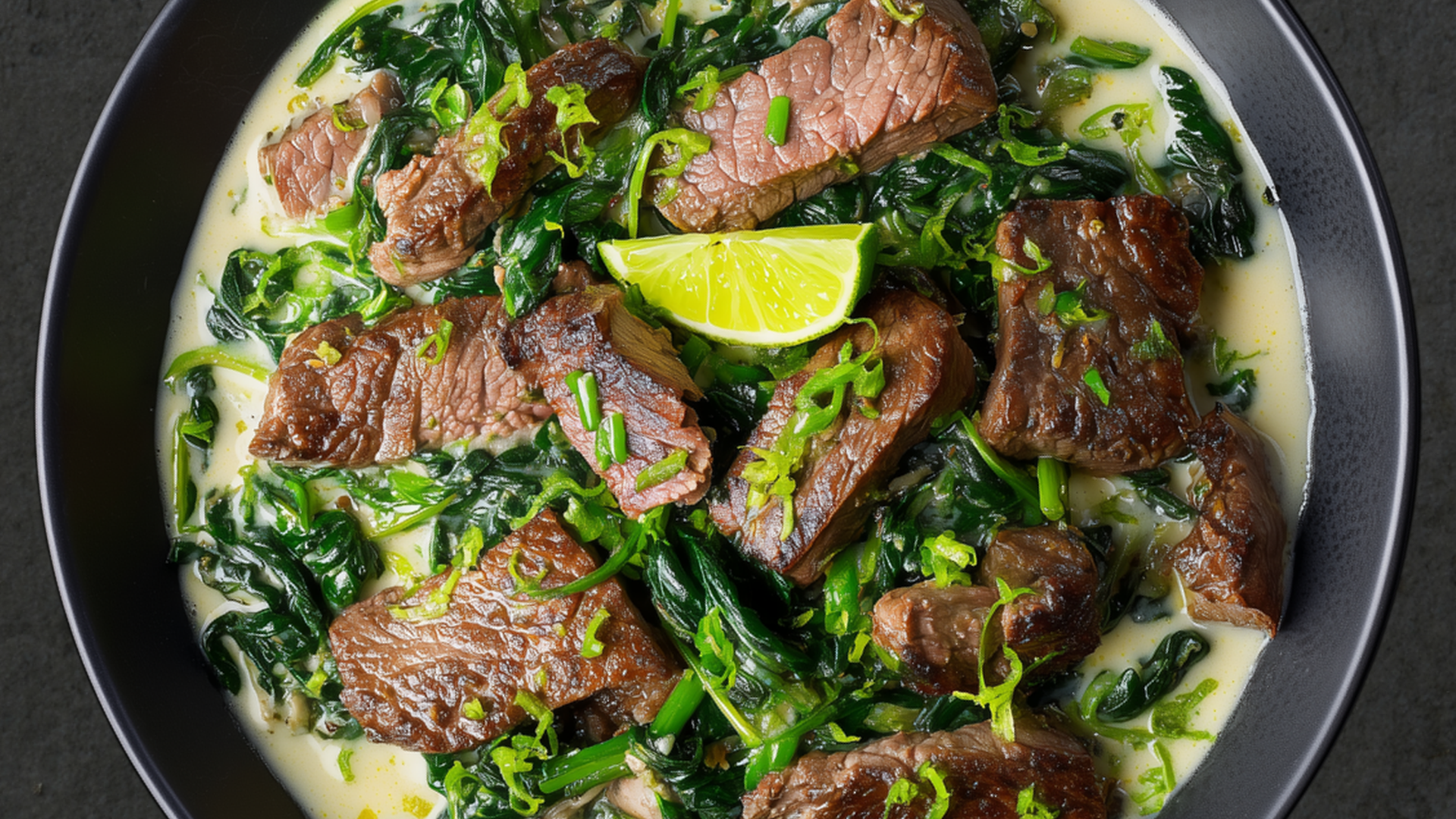
Coconut Beef Skillet

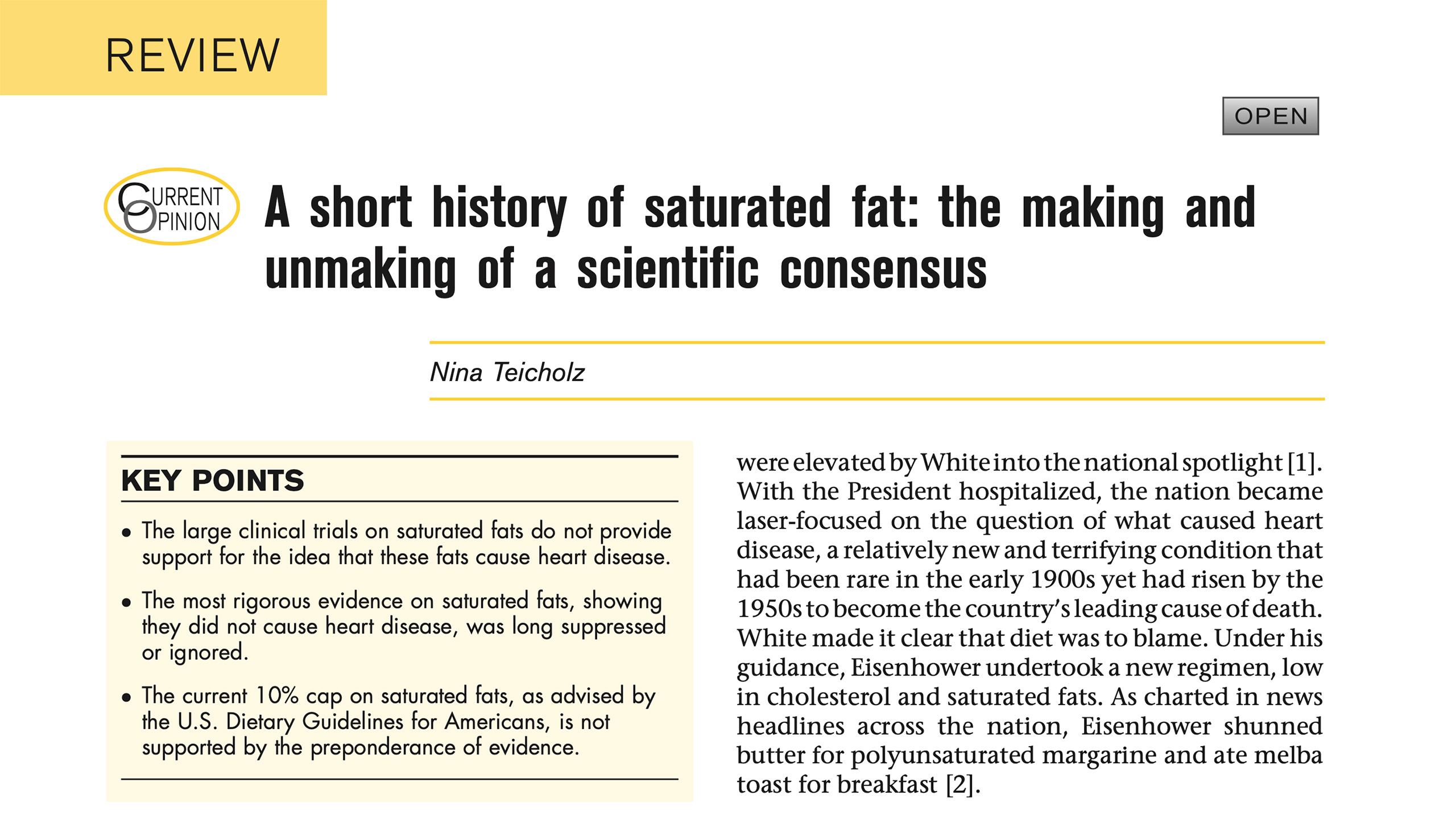
A Short History of Saturated Fat

Article Heading Photo
Photo of Coconut Beef Skillet

Rest day

Seared beef strips simmered in a rich coconut-lime sauce with ginger, garlic, and wilted greens for a warming, deeply flavorful one-pan meal.
The making and unmaking of a scientific consensus

Tab Photo

The
Daily
Fix

Photo of Coconut Beef Skillet Article Heading Photo

Enjoy the recovery time, or make-up anything you missed from last week.

Ingredients

10 oz flank or sirloin steak, thinly sliced against the grain
1 Tbsp butter or tallow
1 garlic clove, minced
1 tsp fresh ginger, grated
½ tsp red pepper flakes (optional)
½ cup full-fat canned coconut milk (unsweetened)
1 tsp fish sauce (or coconut aminos for less intensity)
1 tsp fresh lime juice
1 tsp lime zest
2 cups spinach or chopped kale
2 scallions, chopped
Salt & black pepper, to taste
1 tsp olive oil (optional, for finishing only)

Macronutrients
(per serving, makes 2)

Protein: 40g
Fat: 35g
Carbs: 5g

Preparation

Heat butter or tallow in a large skillet over medium-high heat. Season beef with salt and pepper, then sear in batches to avoid overcrowding. Cook 2–3 minutes until browned. Remove and set aside.

Lower heat to medium. Add garlic, ginger, and red pepper flakes to the same skillet. Sauté in the leftover fat for 1–2 minutes until fragrant.

Stir in coconut milk, fish sauce (or coconut aminos), lime zest, and lime juice. Simmer gently for 2–3 minutes to thicken slightly.

Add the spinach or kale to the skillet and stir until wilted, about 2 minutes. Return the seared beef to the pan and stir everything to coat in the sauce. Heat through for 1–2 minutes.

Remove from heat. Top with chopped scallions and a drizzle of olive oil for a clean, peppery finish. Serve hot.


In this 2023 review, Nina Teicholz traces how the diet-heart hypothesis—the idea that saturated fat causes heart disease—became widely accepted despite weak early evidence. First proposed in the 1950s based largely on observational data, the theory gained momentum through influential figures and institutions like the American Heart Association and was eventually built into global dietary guidelines.

Large randomized trials in the 1960s and 1970s failed to show that replacing saturated fats with vegetable oils reduced heart attacks or mortality, despite lowering cholesterol. Some of these findings were delayed or never published, and contradictory evidence from studies like Framingham was largely overlooked. More recent re-analyses and over 20 review papers have since found no clear link between saturated fat and cardiovascular outcomes, challenging the original hypothesis.

Nina highlights how bias, conflicts of interest, and flawed review processes can shape scientific consensus—and how long it can take for policy to catch up once that consensus begins to unravel.

Read More

COMMENTS

0 COMMENTS 0 COMMENTS 0 COMMENTS SHARE LOGIN PRINT
Log In to leave a comment - Log In?
Go to Top