



The
Daily
Fix

260515

FRIDAY 260515
2 0 0

For load:

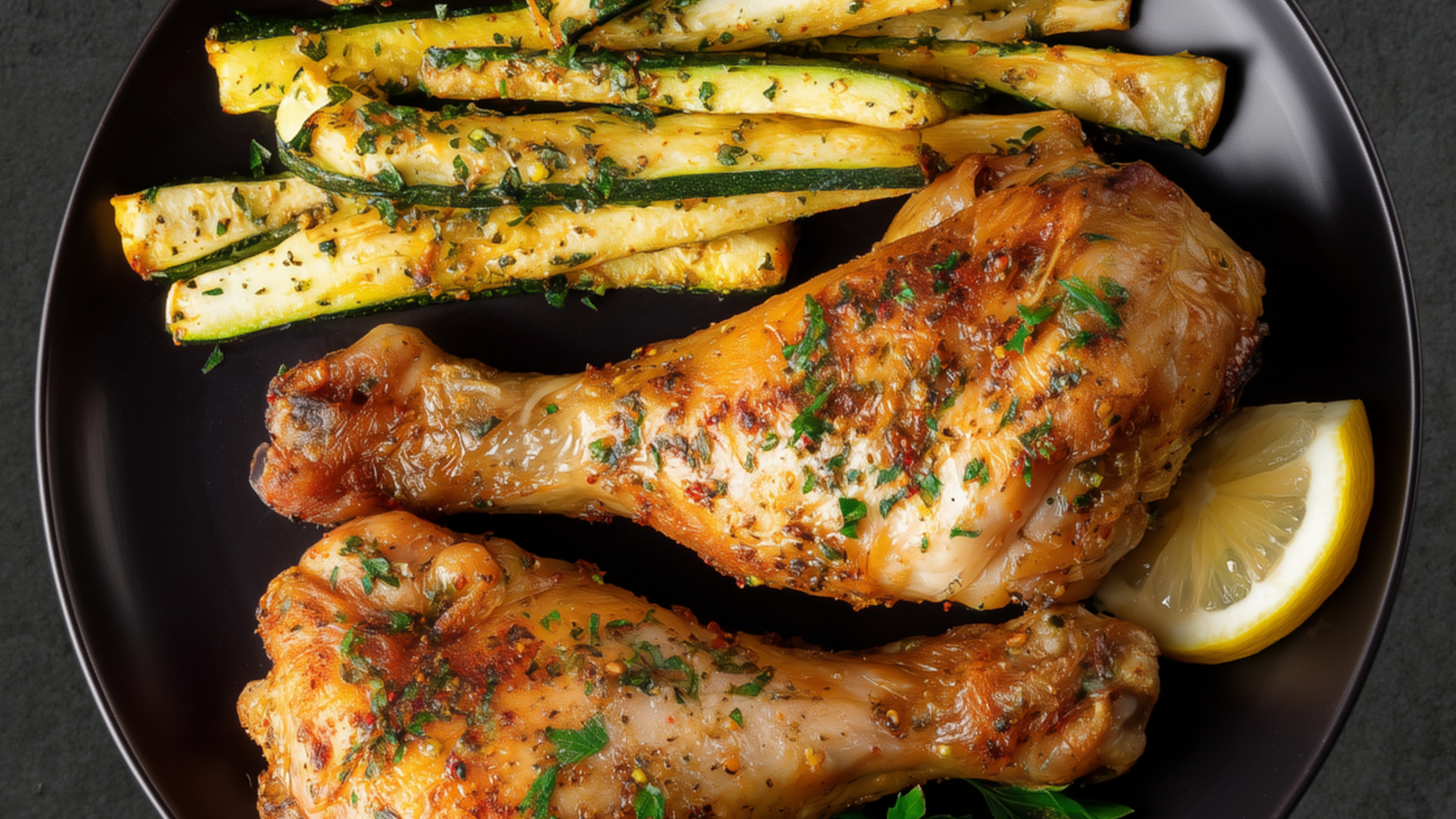
Chicken Drumsticks with Zucchini Wedges

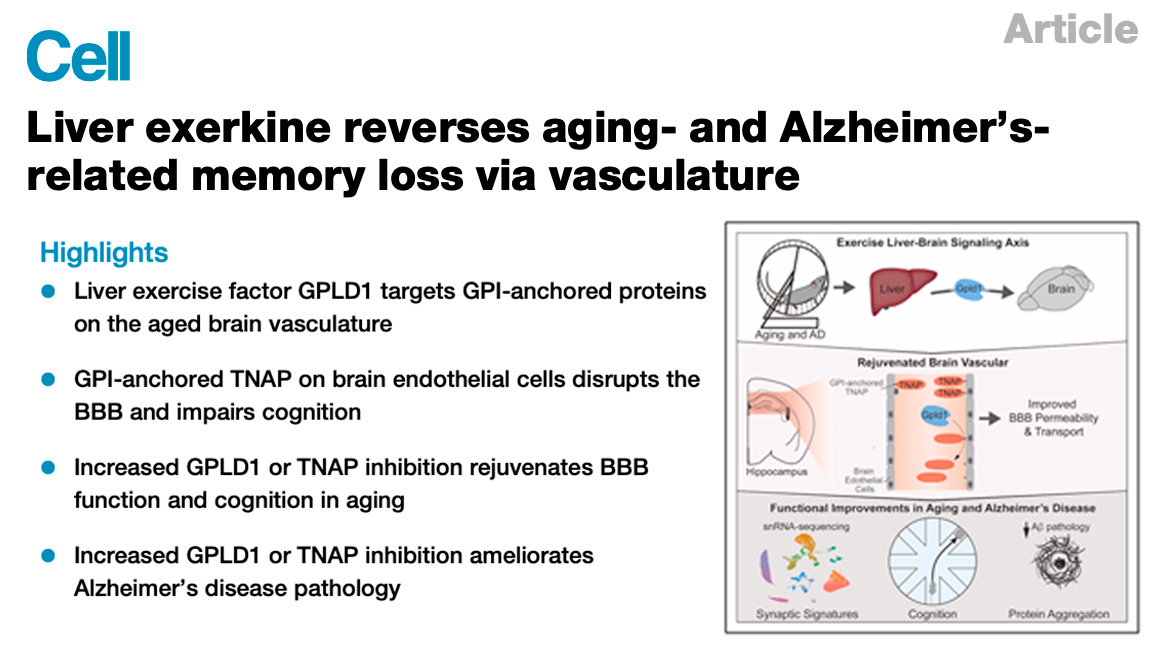
GPLD1 and the Blood–Brain Barrier

Article Heading Photo
Photo of Chicken Drumsticks with Zucchini Wedges

Overhead squat 7-7-7-7-7 reps

Crispy, oven-roasted chicken drumsticks coated in fresh herbs and spices, served alongside golden, caramelized zucchini wedges roasted in ghee.
Study identifies a liver-derived enzyme that may link exercise to improved brain function

Tab Photo

The
Daily
Fix

Photo of Chicken Drumsticks with Zucchini Wedges Article Heading Photo

Additionally, practice rope climbs for 15 minutes.

Post loads to comments.

Ingredients

For the Chicken Drumsticks:
6 chicken drumsticks (skin-on)
1½ Tbsp ghee, melted
1 tsp dried thyme
1 tsp dried oregano
½ tsp garlic powder
½ tsp smoked paprika
Salt & black pepper, to taste

For the Zucchini Wedges:
2 medium zucchini, cut into thick wedges
1½ Tbsp ghee, melted
½ tsp dried basil or Italian seasoning
Salt & pepper, to taste

Optional Finishing:
1 tsp olive oil (off heat drizzle)
Fresh parsley or lemon wedges (optional garnish)

Macronutrients
(per serving, makes 3)

Protein: 42g
Fat: 35g
Carbs: 4g

Preparation
Preheat oven to 425°F (220°C). Line a baking sheet with parchment paper.

In a bowl, toss chicken drumsticks with melted ghee, thyme, oregano, garlic powder, paprika, salt, and pepper. Coat well. Arrange on one half of the baking sheet.

In another bowl, toss zucchini wedges with melted ghee, basil, salt, and pepper. Spread out on the other half of the baking sheet in a single layer.

Roast for 35–40 minutes, flipping the zucchini halfway through. Chicken should be golden with crispy skin and reach 165°F internal temp. Optional: Broil for 2–3 minutes at the end for more crisp.

Plate the chicken and zucchini together. Drizzle with olive oil (if using) and garnish with fresh parsley or lemon wedges.


This 2026 study in Cell identified a potential mechanism connecting exercise to brain health through a liver-derived enzyme called GPLD1. In aging and Alzheimer’s mouse models, elevated GPLD1 improved cognitive function by acting on the brain’s vasculature, specifically by reducing levels of TNAP, a protein associated with blood–brain barrier dysfunction. This led to improved barrier integrity, reduced inflammation, and reversal of memory deficits in mice. While these findings have not yet been directly replicated in humans, they offer a plausible biological pathway by which exercise may help preserve cognitive function. In Is Exercise Insurance Against Cognitive Decline?, Mary Dan Eades highlights this work as a key piece of evidence supporting the role of vascular and blood–brain barrier health in long-term brain resilience.

Read the Study

COMMENTS

2 COMMENTS 0 COMMENTS 0 COMMENTS SHARE LOGIN PRINT
Pat McElhone May 15, 2026 | 17:00 EST
45-75-95-115-135x2, Failed #3
troybruun May 15, 2026 | 20:07 EST
115-125-130-135-145
Log In to leave a comment - Log In?
Go to Top