



The
Daily
Fix
3 rounds for time:
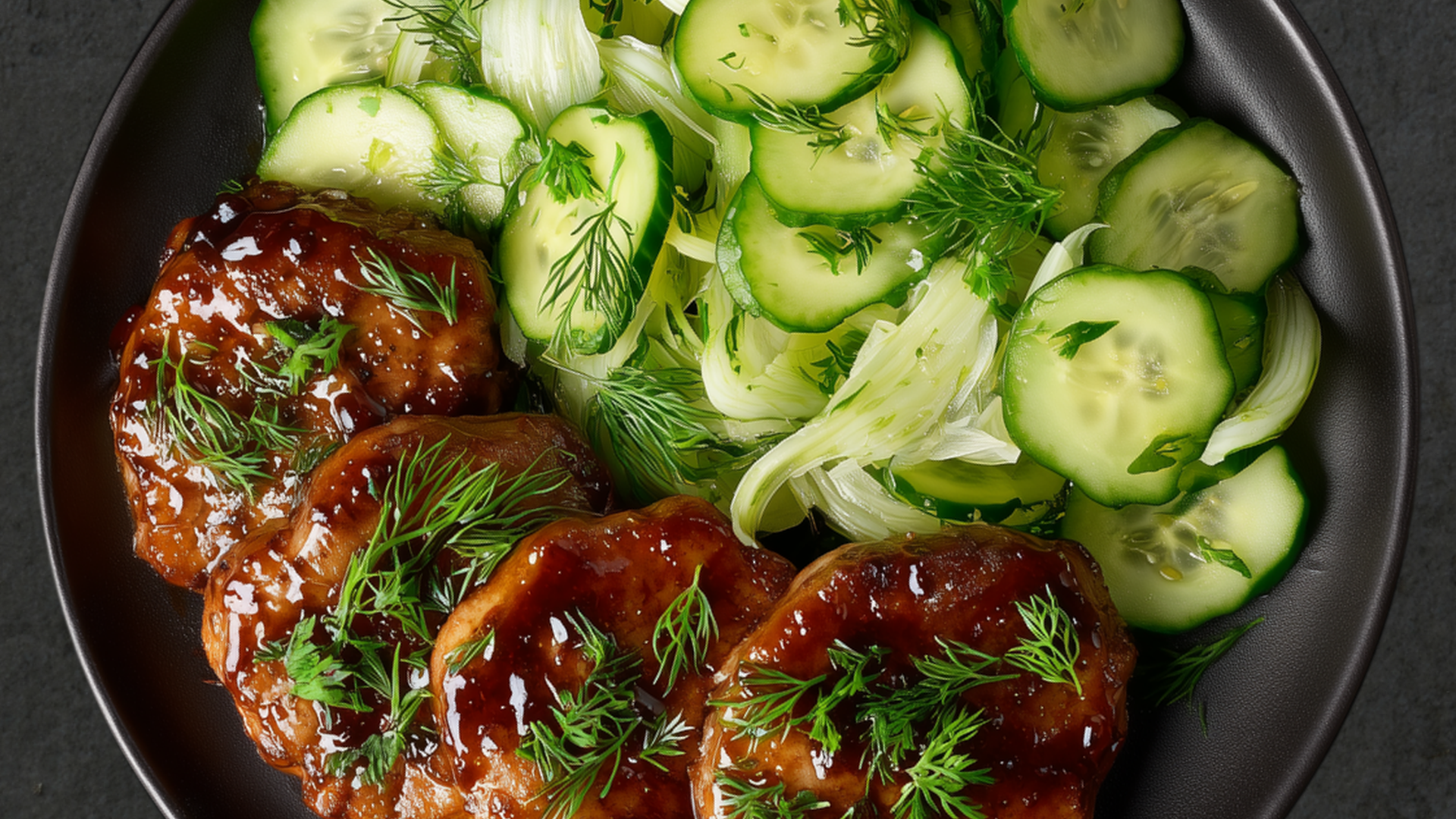
Pork with Fennel Salad
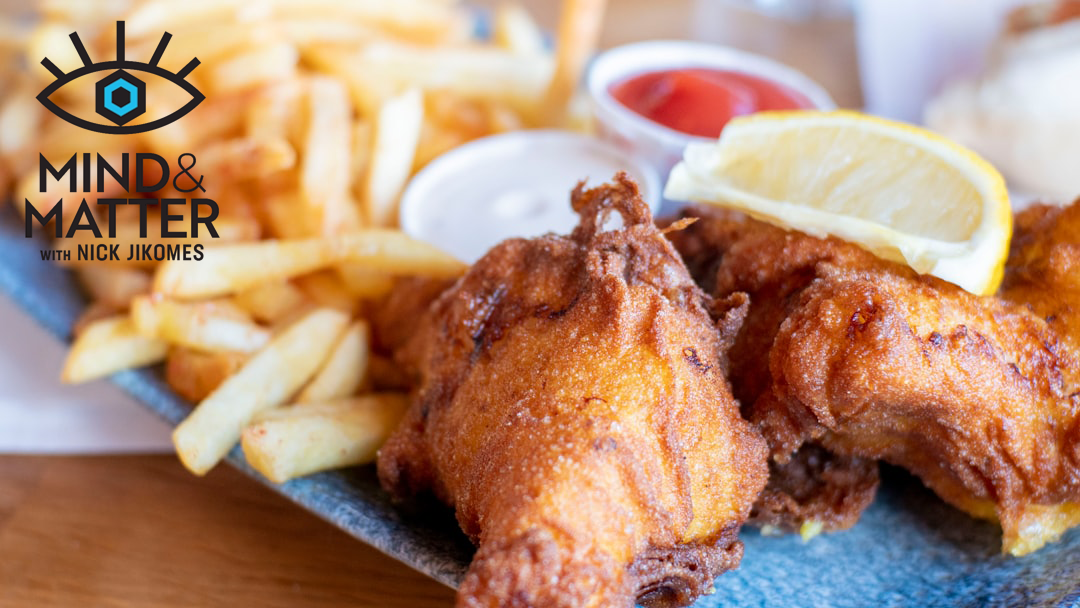
The French Fry Question & Fatty Liver Disease
20 front squats
10 bar muscle-ups
20 hang power snatches
Seared pork is glazed in a rich, buttery reduction and served alongside a crisp shaved fennel salad dressed in a lemony herb vinaigrette.
Does it make a difference if your French fries are boiled in seed oils or beef tallow?
Men use 95 lb.
Women use 65 lb.
Post time to comments.
Ingredients
For the Pork:
10 oz pork shoulder or pork loin, cut into ½" thick medallions or strips
1 Tbsp butter (for searing)
1 Tbsp butter (for glaze)
1 tsp coconut aminos (or tamari)
1 tsp Dijon mustard
½ tsp apple cider vinegar
Salt & black pepper, to taste
For the Fennel Salad:
1 medium fennel bulb, thinly shaved (use a mandoline or sharp knife)
½ small cucumber, sliced thin
1 Tbsp fresh parsley, chopped
1 tsp fresh dill or fennel fronds (optional)
For the Lemon-Herb Vinaigrette:
2 Tbsp olive oil
1 Tbsp lemon juice
½ tsp Dijon mustard
½ garlic clove, finely grated or minced
Salt & black pepper, to taste
Macronutrients
(per serving, makes 2)
Protein: 30g
Fat: 36g
Carbs: 8g
Preparation
In a small bowl, whisk together olive oil, lemon juice, Dijon mustard, garlic, salt, and pepper. Set aside to let flavors meld.
Thinly slice the fennel and cucumber, and place in a bowl with chopped parsley and dill or fronds. Toss with vinaigrette just before serving to keep the crunch.
Season pork with salt and pepper. Heat 1 Tbsp butter in a skillet over medium-high heat. Sear pork pieces 2–3 minutes per side until browned and just cooked through. Remove and set aside.
In the same skillet, reduce heat to medium-low. Add 1 Tbsp butter, coconut aminos, Dijon, and apple cider vinegar. Stir and simmer for 1–2 minutes until slightly thickened. Return pork to pan and toss to coat in glaze.
Plate glazed pork next to a generous mound of fennel salad. Drizzle with any extra glaze and finish with cracked black pepper and a fresh parsley garnish.

In this article, Nick Jikomes examines whether the type of fat used to fry foods influences metabolic health. He argues that French fries cooked in seed oils and those cooked in beef tallow expose consumers to very different mixtures of compounds because polyunsaturated fats are more susceptible to oxidation during cooking. When heated, seed oils can generate oxidation products such as aldehydes and other reactive compounds that are absorbed into the food, whereas saturated fats such as beef tallow are more resistant to oxidative damage.
Jikomes also reviews observational data, animal studies, and mechanistic research linking high omega-6 seed oils to obesity, fatty liver disease, and metabolic dysfunction. He highlights evidence that French fries were the strongest dietary predictor of weight gain in a large epidemiological study and discusses animal experiments showing soybean oil often produces greater weight gain, adiposity, and liver fat accumulation than saturated fats under controlled conditions. He proposes that omega-6-rich fats may increase oxidative stress and lipid peroxidation, particularly when combined with high fructose intake and low omega-3 consumption.
The author acknowledges that human clinical trials remain limited and often too short to provide definitive answers. Nevertheless, he concludes that reducing consumption of industrially processed foods rich in seed oils and fructose is likely more important than focusing on any single food item. While choosing beef tallow over seed oils may reduce exposure to oxidized fats, broader improvements in diet quality and metabolic health are likely to have a much larger impact.
COMMENTS
modified muscle ups (from standing on low box)
20 16kg Kb cyclist goblet squats
7 Ring MU
20 65# H. PSn
15:30
Air Squats to med ball
Ring Rows
35# barbell HPS