




The
Daily
Fix

260615

MONDAY 260615
0 0 0

Rest

Chicken Souvlaki

Hyperlipid: GLP-1 agonists

Article Heading Photo
Workout Mobile Heading Photo
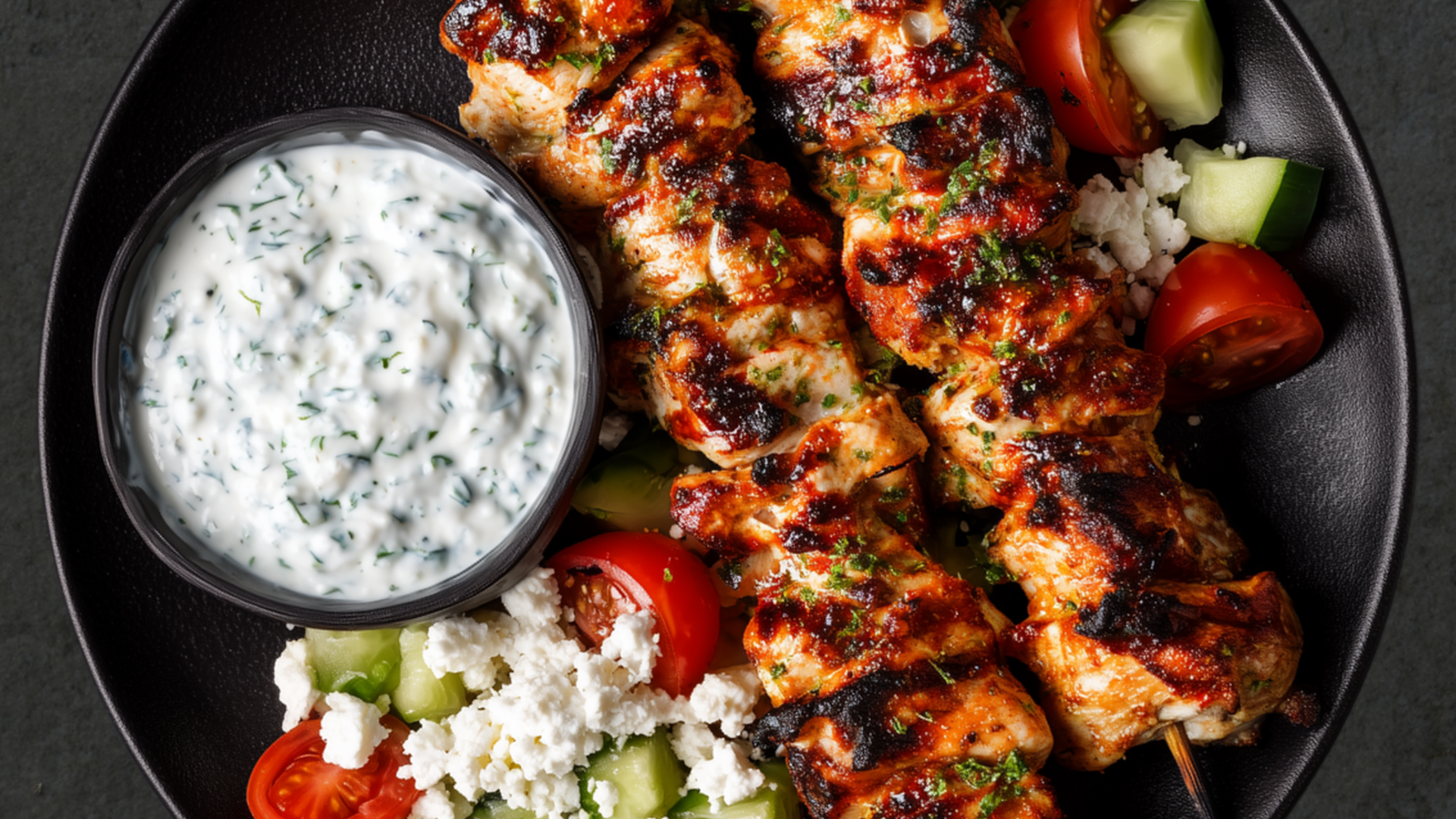
Photo of Chicken Souvlaki

Rest day

Marinated chicken skewers grilled until golden and infused with garlic, lemon, and herbs — served with optional feta or tzatziki.
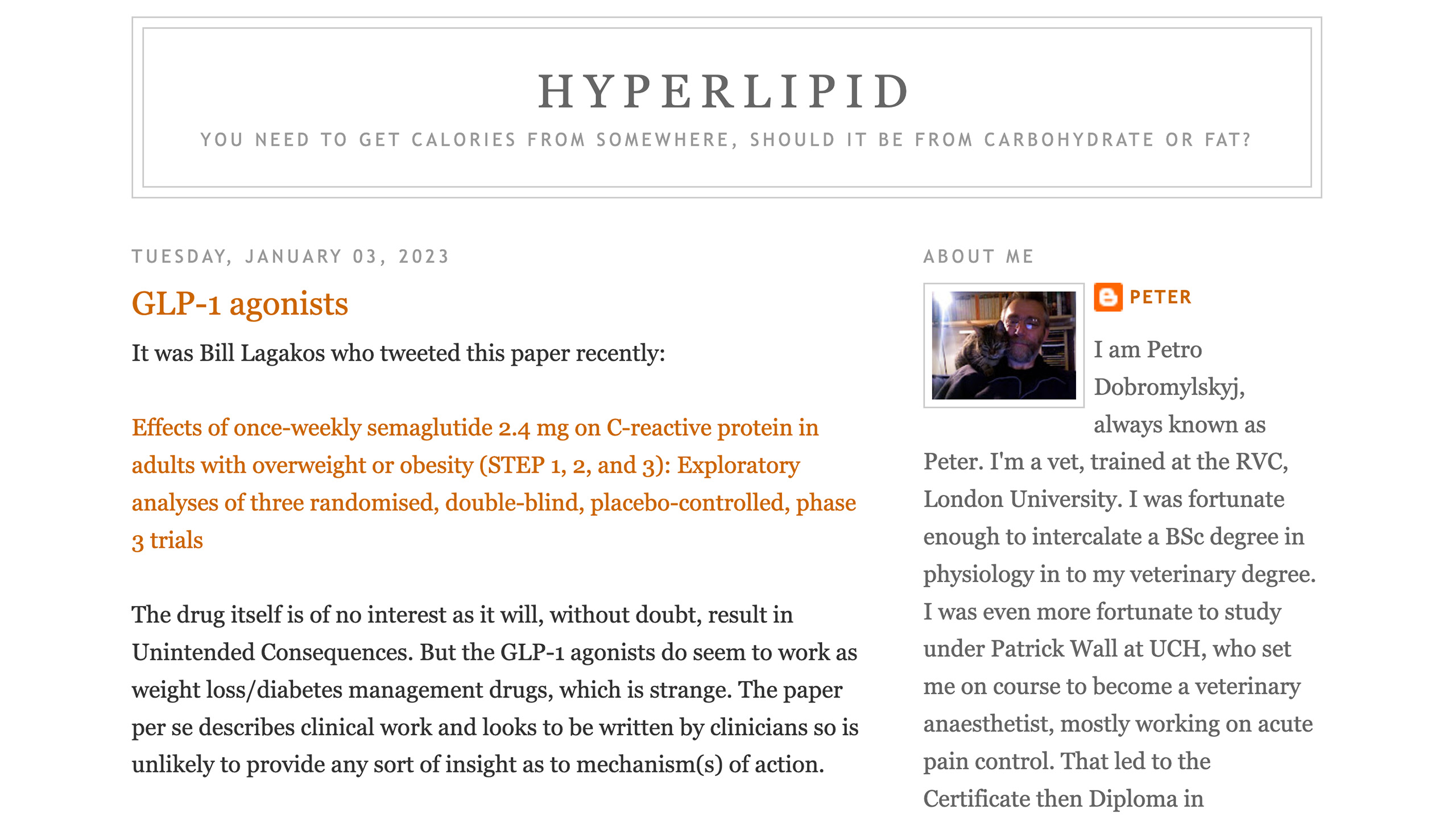
Peter Dobromylskyj explores why GLP-1 drugs appear to produce weight loss despite increasing insulin secretion.

Photo of Chicken Souvlaki Photo to go with Rest Article Heading Photo

Enjoy the recovery time, or make-up anything you missed from last week.

Photo: MetFix Foundations Course | MetFix Pace, Sacramento, CA | June 13-14

Ingredients

For the Chicken Marinade:
1.5 lbs boneless, skinless chicken thighs or breasts, cut into 1.5” cubes
3 Tbsp olive oil (used in marinade, not cooked over high heat)
2 Tbsp lemon juice
3 garlic cloves, minced
1 Tbsp fresh oregano (or 1½ tsp dried)
1 tsp salt
½ tsp black pepper
Optional: ½ tsp paprika or chili flakes (for a touch of heat)

For Grilling:
1 Tbsp butter or ghee (for basting during grilling or pan-searing)
Wooden or metal skewers

Optional Add-ons (Low-Carb Sides or Toppings):
Tzatziki (Greek yogurt, cucumber, garlic, olive oil, lemon)
Crumbled feta
Chopped cucumbers, olives, tomatoes, or lettuce
Cauliflower rice or grilled zucchini

Macronutrients
(per serving, makes 4)

Protein: 35g
Fat: 24g
Carbs: 2g

Preparation
In a bowl or zip-top bag, combine olive oil, lemon juice, garlic, oregano, salt, pepper, and optional chili flakes. Add chicken and toss to coat. Marinate for at least 1 hour (up to 8 hours) in the fridge.

If using wooden skewers, soak them in water for 30 minutes. Thread the marinated chicken onto skewers.

Preheat a grill or grill pan to medium-high heat. Optionally brush chicken with melted butter or ghee. Grill 4–5 minutes per side, or until nicely charred and internal temp reaches 165°F.

Pan-sear in a hot skillet with butter or ghee until golden and cooked through.

Let the skewers rest for 5 minutes. Serve with optional feta, tzatziki, and your choice of low-carb vegetables or cauliflower sides.


Peter Dobromylskyj, a veterinary anesthesiologist with a background in physiology who writes the Hyperlipid blog, explains what he sees as a paradox at the heart of GLP-1 drugs such as semaglutide. While these medications increase insulin production and secretion, they also promote weight loss and improve metabolic health. Looking beyond the clinical outcomes, experimental evidence suggests that GLP-1 agonists stimulate the formation of new adipocytes while preventing existing fat cells from becoming enlarged and dysfunctional. The result is a larger population of small, insulin-sensitive adipocytes that can safely store excess energy.

Several studies suggest that GLP-1 agonists suppress de novo lipogenesis and activate mitochondrial uncoupling pathways, including increased UCP1 expression and adipose tissue browning. Dobromylskyj proposes that these effects resemble those seen with other uncoupling interventions, leading to reduced insulin signaling despite improvements in conventional measures of insulin sensitivity. From this perspective, the drugs may be working through altered mitochondrial function and energy handling rather than through insulin alone.

Peter speculates about the long-term consequences of these changes. If GLP-1 drugs promote adipocyte hyperplasia while preventing fat-cell enlargement through uncoupling, discontinuing the drugs could eventually allow those numerous small fat cells to enlarge, potentially contributing to weight regain. He also discusses preliminary mechanistic evidence suggesting a possible link between GLP-1 receptor activation and cancer biology, arguing that important questions about the long-term effects of these medications remain unanswered.

Read More

COMMENTS

0 COMMENTS 0 COMMENTS 0 COMMENTS SHARE LOGIN PRINT
Log In to leave a comment - Log In?
Go to Top