



The
Daily
Fix

260907

MONDAY 260907
0 0 0

Rest

Almond Crusted Chicken

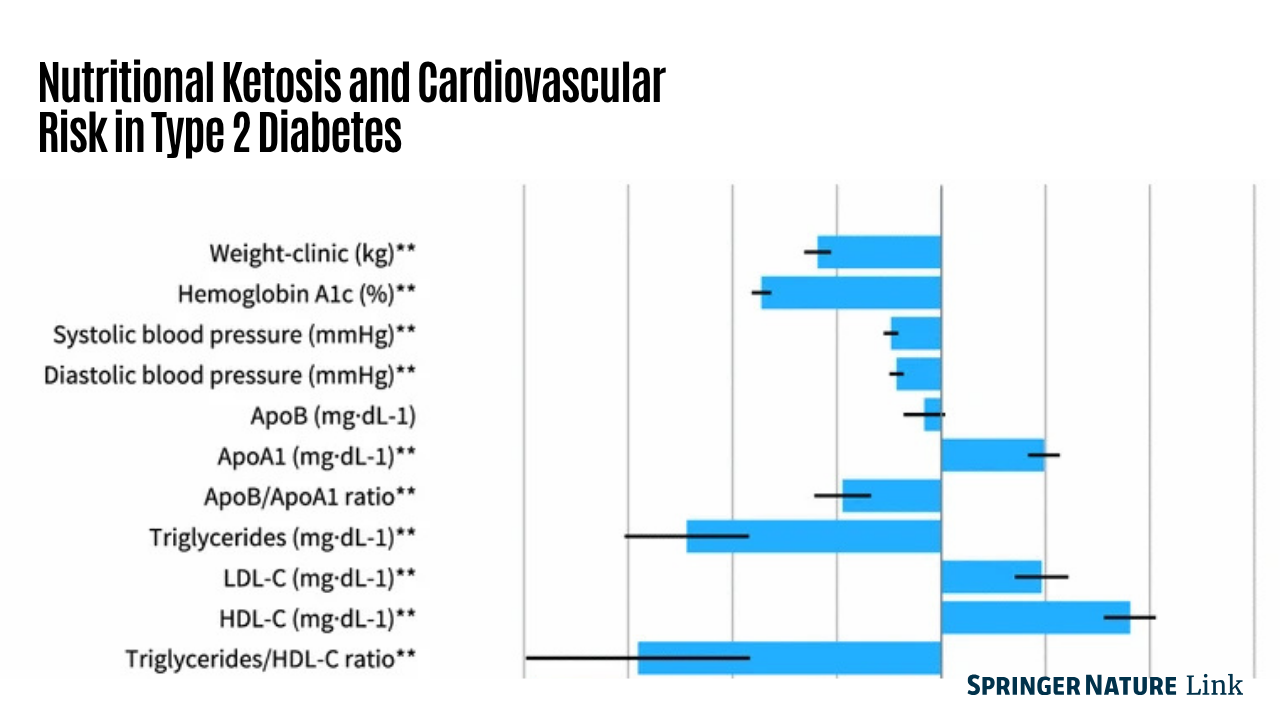
Nutritional Ketosis and Cardiovascular Risk in Type 2 Diabetes

Article Heading Photo
Photo of Almond Crusted Chicken

Rest day

Oven-baked almond Parmesan crusted chicken breast, served with a side of roasted vegetables.

One year of carbohydrate restriction improved most measured cardiovascular risk factors

Tab Photo

The
Daily
Fix

Photo of Almond Crusted Chicken Article Heading Photo

Enjoy the recovery time, or make-up anything you missed from last week.

Ingredients:
4 oz chicken breast
2 Tbsp sour cream
2 Tbsp almond flour
2 Tbsp Parmesan cheese, grated
¼ tsp garlic powder
¼ tsp paprika
Salt and pepper, to taste
½ Tbsp fresh parsley, chopped (for garnish)

Nutrition Facts:
Protein: 25g
Fat: 15g
Carbs: 2.5g

Preparation:

Preheat the oven to 400°F (200°C). Line a baking sheet with parchment paper for easy cleanup.

Prepare the chicken by patting the chicken breast (4 oz) dry with a paper towel to help the coating stick better.

Coat the chicken by evenly spreading sour cream (2 Tbsp) over the entire surface. This helps bind the coating while adding moisture.

Prepare the coating by mixing almond flour (2 Tbsp), Parmesan cheese (2 Tbsp), garlic powder (¼ tsp), paprika (¼ tsp), and salt and pepper to taste in a shallow bowl. Stir well to distribute the seasonings.
Crust the chicken by pressing the sour cream-coated chicken firmly into the almond-Parmesan mixture. Flip and press again to ensure full coverage. Shake off any excess before placing the chicken onto the baking sheet.

Bake the chicken for 18-22 minutes, or until the crust is golden brown and crispy. The internal temperature should reach 165°F (75°C) when measured with a meat thermometer.
Rest and garnish for a few minutes before serving.

Sprinkle fresh parsley (½ Tbsp) on top for added flavor and presentation.

This 2018 study followed 262 adults with type 2 diabetes using a continuous-care program built around sustained carbohydrate restriction and nutritional ketosis, comparing them with 87 adults receiving usual diabetes care. After one year, the intervention group lost substantial weight and improved blood glucose control while also showing lower triglycerides, higher HDL, fewer small LDL particles, larger LDL particle size, lower blood pressure, and substantial reductions in inflammatory markers. Their calculated 10-year cardiovascular risk fell by 11.9%, and many participants were able to discontinue antihypertensive medications. The usual-care group showed no significant improvements.

Notably, LDL cholesterol increased by about 10%, but ApoB and total LDL particle number did not significantly increase, while several other markers of atherogenic dyslipidemia improved. The study therefore challenges the assumption that the LDL-C increase sometimes seen with carbohydrate restriction necessarily represents an overall worsening of cardiovascular risk. However, the study was not randomized, the intervention included intensive medical and coaching support in addition to carbohydrate restriction, and one year was too short to determine whether these changes ultimately reduced heart attacks, cardiovascular deaths, or other clinical events.

Full Article

COMMENTS

0 COMMENTS 0 COMMENTS 0 COMMENTS SHARE LOGIN PRINT
Log In to leave a comment - Log In?
Go to Top