
Food addiction is one of the most misunderstood—and most politically inconvenient—conditions in modern medicine. Yet the data are clear: sugar and refined carbohydrates activate the same neurobiological pathways as alcohol and other addictive substances, driving withdrawal, compulsive use, metabolic instability, and long-term damage to the brain’s reward system.
In this 90-minute BSI Medical Society webinar, world-renowned addiction specialist Bitten Jonsson, Leg.SSK, brings together four decades of clinical experience, pioneering research, and her groundbreaking work in biochemical repair and SUGAR-mapping—a diagnostic tool she developed to identify and classify sugar addiction with precision.
But Bitten’s story also exposes a deeper structural problem in global healthcare:
She built Sweden’s first food addiction treatment center, achieved a verified 76% recovery rate, received 375+ medical referrals, and delivered outcomes traditional medicine couldn’t match. Her center was so effective that, rather than expanding access, the regional health authority shut it down.
Not because it failed—but because it succeeded.
Too many patients wanted help, and the system wouldn’t fund treatment that worked.
This webinar connects the dots the public health system refuses to confront:
This Webinar covers:
- The neurobiological mechanisms that make sugar a true gateway drug
- How early-life sugar exposure reshapes neural pathways and primes lifelong dependency
- The science behind biochemical repair and why metabolic instability drives addictive behavior
- Why the addiction field still lacks a unified definition of food addiction
- How current psychiatric and diet-industry models systematically misdiagnose and mistreat sugar dependence
- The political and economic forces that prevent effective treatment from scaling
- How sugar addiction intersects with alcoholism, smoking, binge behaviors, and process addictions
- Why ketogenic nutrition is often essential for stabilizing cravings and withdrawal
- What clinicians must understand to treat food addiction as a chronic brain disease, not a moral or behavioral failing
- Plus, a live demonstration of Bitten’s SUGAR mapping diagnostic tool, followed by an extended Q&A.
This BSI Medical Society Webinar was streamed on December 4th, 2025.
A 10-minute summary of the webinar is available here free, for anyone, while the full video is available for Medical Society Members and MetFix affiliates in their dashboard.

With over 15 years of experience in the health and wellness industry, Karen has developed a strong expertise in health promotion, behavior change, and wellness.
Her mission is to curate vibrant health experiences that inspire, educate, and empower people to live their best lives.

Support the Broken Science Initiative.
Subscribe today →
recent posts
Metabolic health, medical education, and the case for bringing clinicians and coaches together
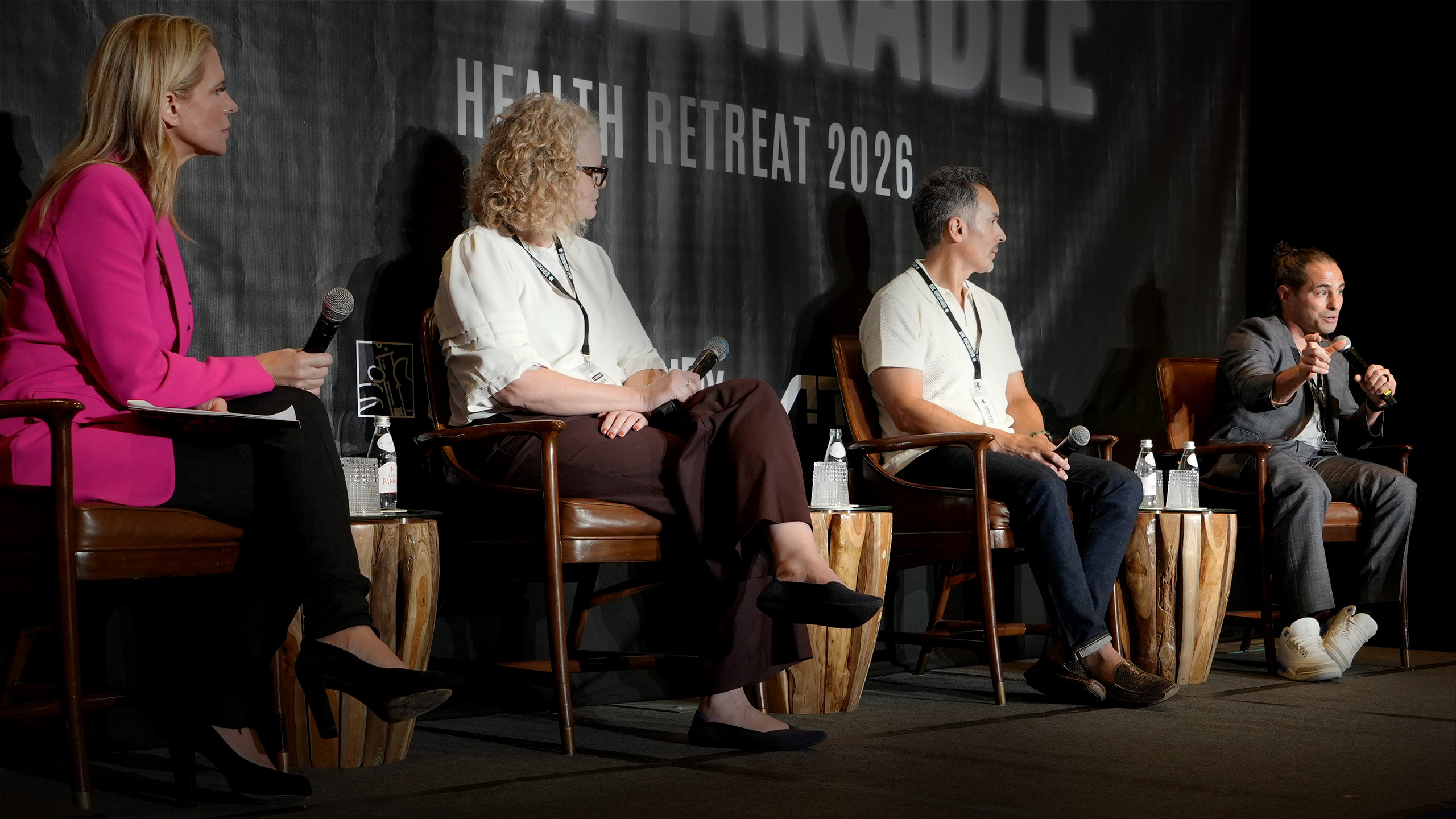
At the 2026 Unbreakable Health Retreat in Miami, Emily Kaplan hosted a panel with Bob Kaplan, Professor Thomas Seyfried, and Dr. Derek Lee on what it means to treat cancer as a metabolic disease. They discussed the glucose-ketone index (GKI), nutritional ketosis, and strategies aimed at restricting the fuels cancer cells depend on while considering how metabolic therapy can fit alongside standard cancer treatment.
The conversation also addressed the practical realities patients face when trying to pursue a metabolic approach within the conventional oncology system, including questions about nutrition, repurposed drugs, inherited cancer risk, and how to evaluate different treatment options. Seyfried and Lee connected these clinical questions back to mitochondrial dysfunction, fermentation, and the metabolic vulnerabilities that may offer additional targets for cancer treatment.
An abbreviated version of this discussion is available here, for free.
At the 2026 Unbreakable Health Retreat in Miami, Professor Thomas Seyfried presented the case that cancer is fundamentally a mitochondrial metabolic disease rather than primarily a genetic one. He contrasts the dominant somatic mutation theory with a metabolic model in which impaired mitochondrial respiration drives a shift toward fermentation, dysregulated cell growth, and the mutations commonly associated with cancer.
Citing the work of Otto Warburg and research from his lab at Boston College, Seyfried explains how cancer cells rely heavily on fermentable fuels—particularly glucose and glutamine—and why mitochondrial dysfunction sits upstream of many of the genetic abnormalities seen in tumors. He also discusses reactive oxygen species, altered cellular signaling, and the role of mitochondria in regulating cell growth and behavior.
The presentation then turns to the therapeutic implications of this model. Seyfried explains strategies aimed at placing tumor cells under metabolic stress by restricting the fuels they depend on, including ketogenic metabolic therapy and approaches targeting glucose and glutamine. For Seyfried, the therapeutic target follows directly from the biology: restrict the fuels cancer cells depend on, exploit their metabolic weaknesses, and treat mitochondrial dysfunction as the central feature of the disease.
An abbreviated version of this discussion is available here, for free.
MetFix and BSI Members can view the full 54-minute video.


