
CFHQ
Santa Cruz, CA
USA
01 Dec 06
OPS 06
FRAGO 05 to OPORD 01 — OP GRINDER
Ref: A. OPORD 01 01 Jul 06
Task Organization: Annex A
1. SITUATION
No Change.
2. MISSION
“PATRICIA”
Total per 8-person squad:
1.5 km run (per soldier)
200 burpee pull-ups
400 jumping ring dips
40 rope climbs
1 min L-sit (per soldier)
3. EXECUTION
a. Concept of Operations.
- Intent. Complete all the exercises as quickly as possible in a safe manner. This is an eight-person-squad “task-specific” workout. The squad’s time ends when the last member of the squad completes the workout. The purpose of this workout is to develop cohesion and combat fitness under fatigue conditions through shared hardship, challenges, and competition.
- Scheme of Maneuver. The platoon will be divided into as many teams of eight as possible. Each squad will require pull-up bars, a 15-foot climbing rope, rings (austere or regular), and P-bars (parallel bars, dip station, or parallettes). All squads will start at the same time. Each squad has to complete the total number of reps per exercise. The only exercises that each soldier in the squad must complete as an individual are the 1.5-km run and the one-minute L-sit. The other exercises can be divided up among the squad as they desire. There is no order that the exercises must be completed in and there is no requirement to conduct the exercises all together, as a formed squad. For example, each soldier in the squad can do 25 burpee pull-ups to obtain 200 reps, or one soldier can do all 200. Two soldiers can do 20 rope ascents each, or every member of the squad can do 5 ascents. The requirement is for the squad to complete the total number of reps designated per exercise. The one-minute L-sit is a cumulative time. Each soldier can utilize as many L-sits as required to obtain his one minute of total time. For example, each soldier could do two 30-second sets or six 10-second sets, however he wants. The L-sits can be conducted on P-bars, rings, or as an L- hang from pull-up bars. Spotting is not permitted at any time.
- Main Effort. The safety of all personnel and the development of unit cohesion and combat fitness through shared challenge and hardship.
- End State. The Safe and successful completion of all exercises.
b. Coordinating Instructions.
- Team Organization. Squad leaders can organize their soldiers however they wish. It is a leadership decision on how best to deploy each soldier to accomplish the mission.
- Scaling. The workout can be conducted in PT gear or full battle gear to include vests with plates, depending on the fitness levels of your soldiers. The austere rings and p-bars described in this document are for austere conditions. Conventional rings and P-bars may be used if available. The number of reps can be increased or decreased based on the skill level of your troops.
- Scoring. The finish time for each squad is recorded. The squad that has the fastest time comes in first.
- Burpee Pull-Up. The soldier starts the exercise standing under the pull-up bar, executes a burpee, and finishes by jumping up to the bar and completing a jumping pull-up. One repetition of the exercise is complete when the soldier has descended from the pull-up bar and is ready to commence the next burpee (Annex C).
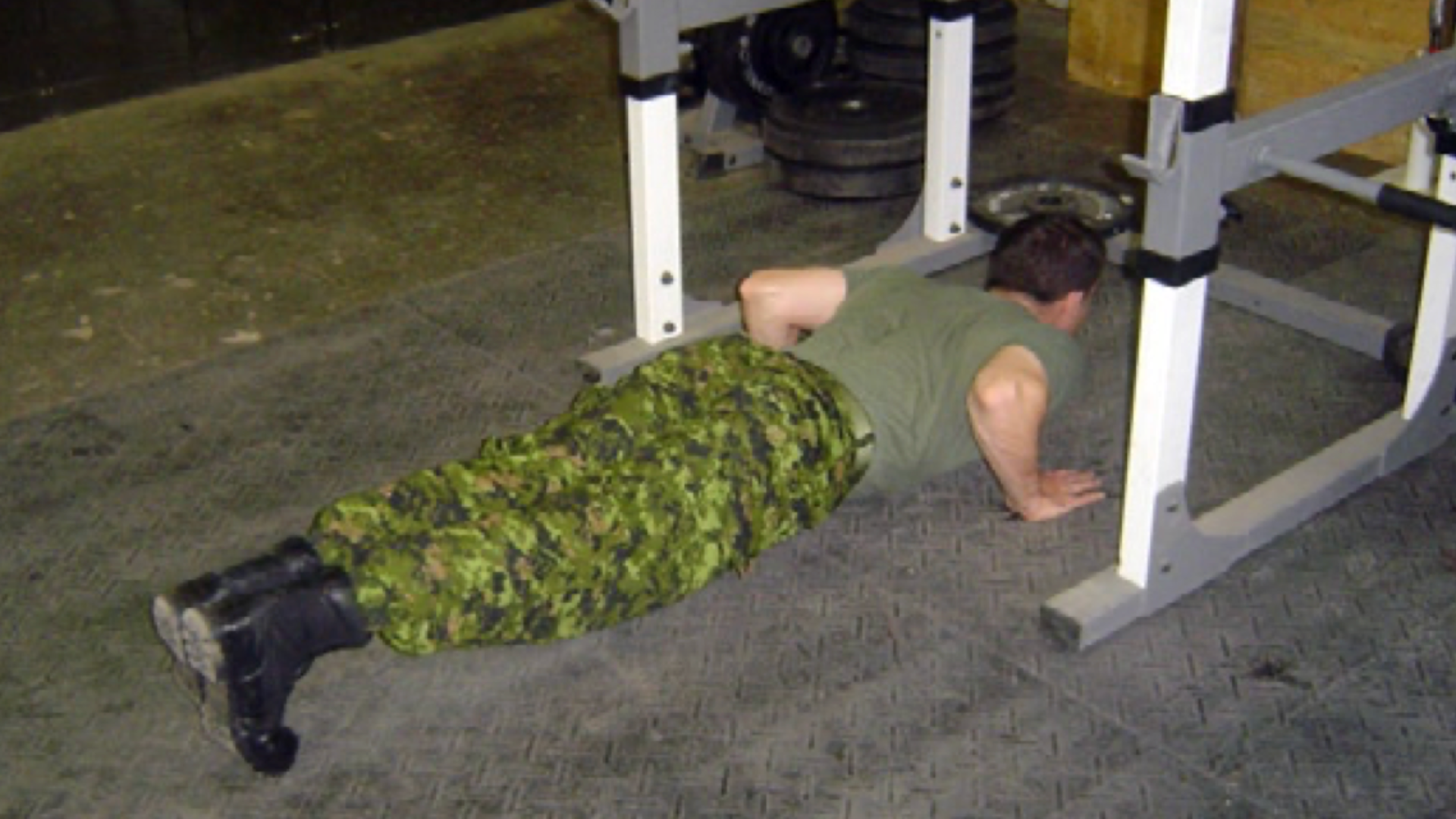
- Jumping Ring Dip. The rings should be set between chest and shoulder height. The soldier jumps from the ground to a support position above the rings, with straight elbows. One repetition is competed when the soldier is back on the ground from the support position (Annex C).
- Rope Climb. Soldiers can utilize any method they wish to climb the rope.
- L-sit. The L-sit can be executed on the rings, P-bars, or pull-up bars. For scaling purposes, a tuck sit can be substituted for the L-sit for soldiers who cannot do an L-sit (Annex C).
- Safety. Ensure that all equipment is checked and serviceable before conducting the workout and that all soldiers are proficient in the required exercises. To avoid rope burn, it is recommended that all soldiers wear boots and BDU pants, as a minimum. Safety is every member’s
- Follow-on Tasks. The next workout will require a 150-meter running route, two 25-mm ammo cans and two pull-up bars per four-person team.
4. SERVICE SUPPORT
a. Equipment Weights
| Nomenclature | Qty/Size | Type/NSN | Weight | Contents |
|---|---|---|---|---|
| Nylon webbing, plain weave, tubular (for austere rings) | NA | 8305-21-111-5411 | NA | NA |
| Snap Link, Mountain Piton (for austere rings) | 12 mm | 8465-21-896-8280 | NA | Claw snap and screwgate |
| PVC pipe, 10 inch (for austere rings) | 8 inch x 2 per rings | Standard | NA | NA |
b. Equipment Requirements. Each eight-person squad will require as a minimum: one pull-up bar, one set of rings, one climbing rope, and one set of P-bars (rings or a pull-up bar can be substituted for P-bars for the L-sits). The preferred equipment issue is two pull-up bars, two sets of rings, one climbing rope, and one set of P-bars per squad.
c. Time Recording. One stopwatch to record each team’s time and a method of recording completed reps at the dip, pull-up, and rope climb stations.
5. COMMAND AND SIGNAL
a. Timer/Score Recorder. Only one timekeeper is required for all squads. All eight-person teams begin the workout at the same time. When a squad completes all the exercises, they inform the timekeeper, who records all times. It is recommended that at least one person per team start his stopwatch to act as a back-up in case the primary timekeeper’s stopwatch fails.
b. Instructor/Coach. To ensure proper conduct of the workout, use of correct exercise form, and safety of execution, a designated member of the platoon can fill this billet.
Annexes
Annex A – Workout Diagram

Annex B – Equipment


Annex C – Exercises


the jumping dip


L-Sit Variations

Rope Climb


Burpee Pull-Up
This article, by BSI’s co-founder, was originally published in The CrossFit Journal. While Greg Glassman no longer owns CrossFit Inc., his writings and ideas revolutionized the world of fitness, and are reproduced here.
Coach Glassman named his training methodology ‘CrossFit,’ which became a trademarked term owned by CrossFit Inc. In order to preserve his writings in their original form, references to ‘CrossFit’ remain in this article.


Greg Glassman founded CrossFit, a fitness revolution. Under Glassman’s leadership there were around 4 million CrossFitters, 300,000 CrossFit coaches and 15,000 physical locations, known as affiliates, where his prescribed methodology: constantly varied functional movements executed at high intensity, were practiced daily. CrossFit became known as the solution to the world’s greatest problem, chronic illness.
In 2002, he became the first person in exercise physiology to apply a scientific definition to the word fitness. As the son of an aerospace engineer, Glassman learned the principles of science at a young age. Through observations, experimentation, testing, and retesting, Glassman created a program that brought unprecedented results to his clients. He shared his methodology with the world through The CrossFit Journal and in-person seminars. Harvard Business School proclaimed that CrossFit was the world’s fastest growing business.
The business, which challenged conventional business models and financially upset the health and wellness industry, brought plenty of negative attention to Glassman and CrossFit. The company’s low carbohydrate nutrition prescription threatened the sugar industry and led to a series of lawsuits after a peer-reviewed journal falsified data claiming Glassman’s methodology caused injuries. A federal judge called it the biggest case of scientific misconduct and fraud she’d seen in all her years on the bench. After this experience Glassman developed a deep interest in the corruption of modern science for private interests. He launched CrossFit Health which mobilized 20,000 doctors who knew from their experiences with CrossFit that Glassman’s methodology prevented and cured chronic diseases. Glassman networked the doctors, exposed them to researchers in a variety of fields and encouraged them to work together and further support efforts to expose the problems in medicine and work together on preventative measures.
In 2020, Greg sold CrossFit and focused his attention on the broader issues in modern science. He’d learned from his experience in fitness that areas of study without definitions, without ways of measuring and replicating results are ripe for corruption and manipulation.
The Broken Science Initiative, aims to expose and equip anyone interested with the tools to protect themself from the ills of modern medicine and broken science at-large.

Support the Broken Science Initiative.
Subscribe today →
recent posts
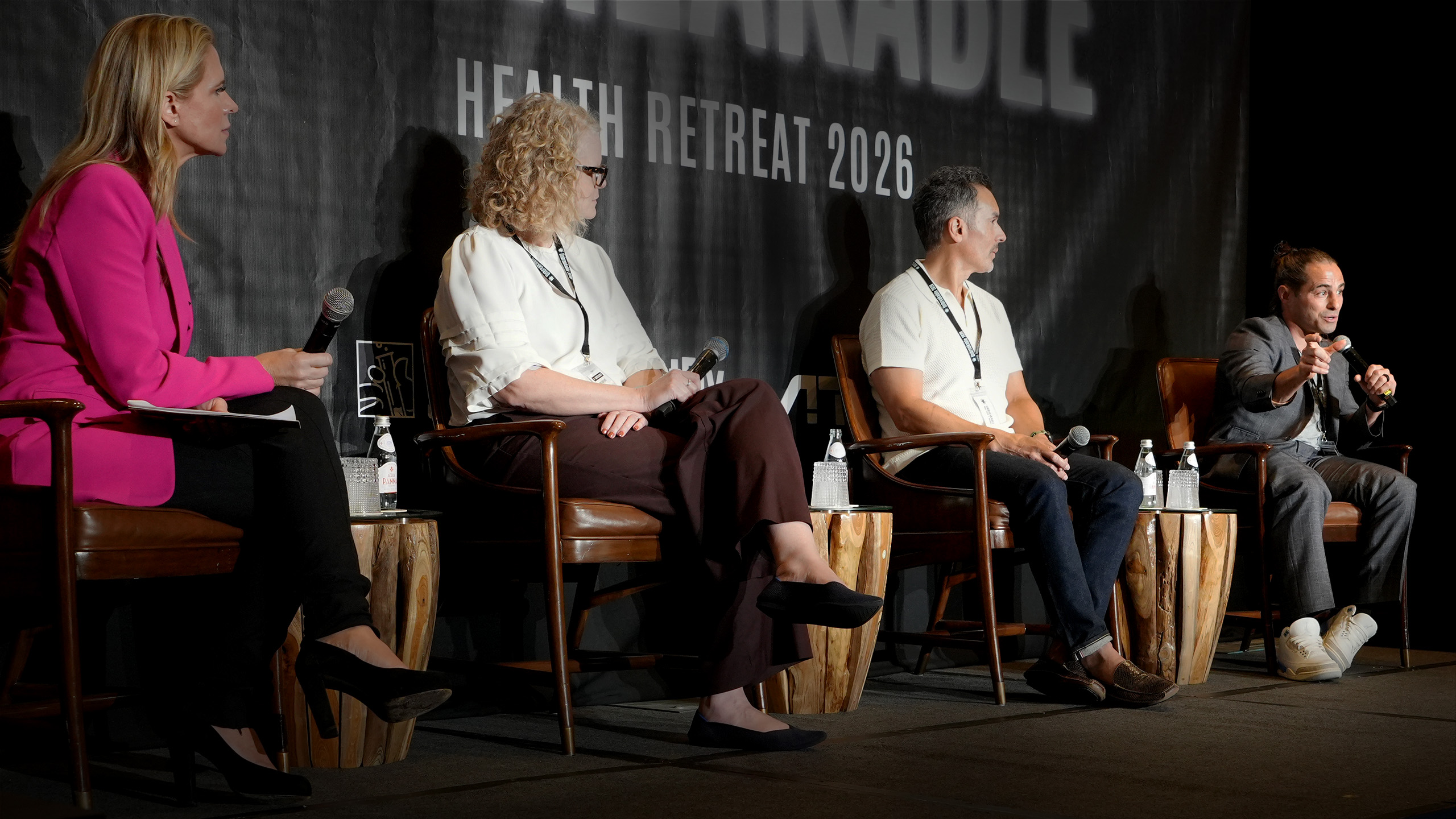
Metabolic health, medical education, and the case for bringing clinicians and coaches together

Metabolic therapies, mitochondrial dysfunction, and what’s holding back progress
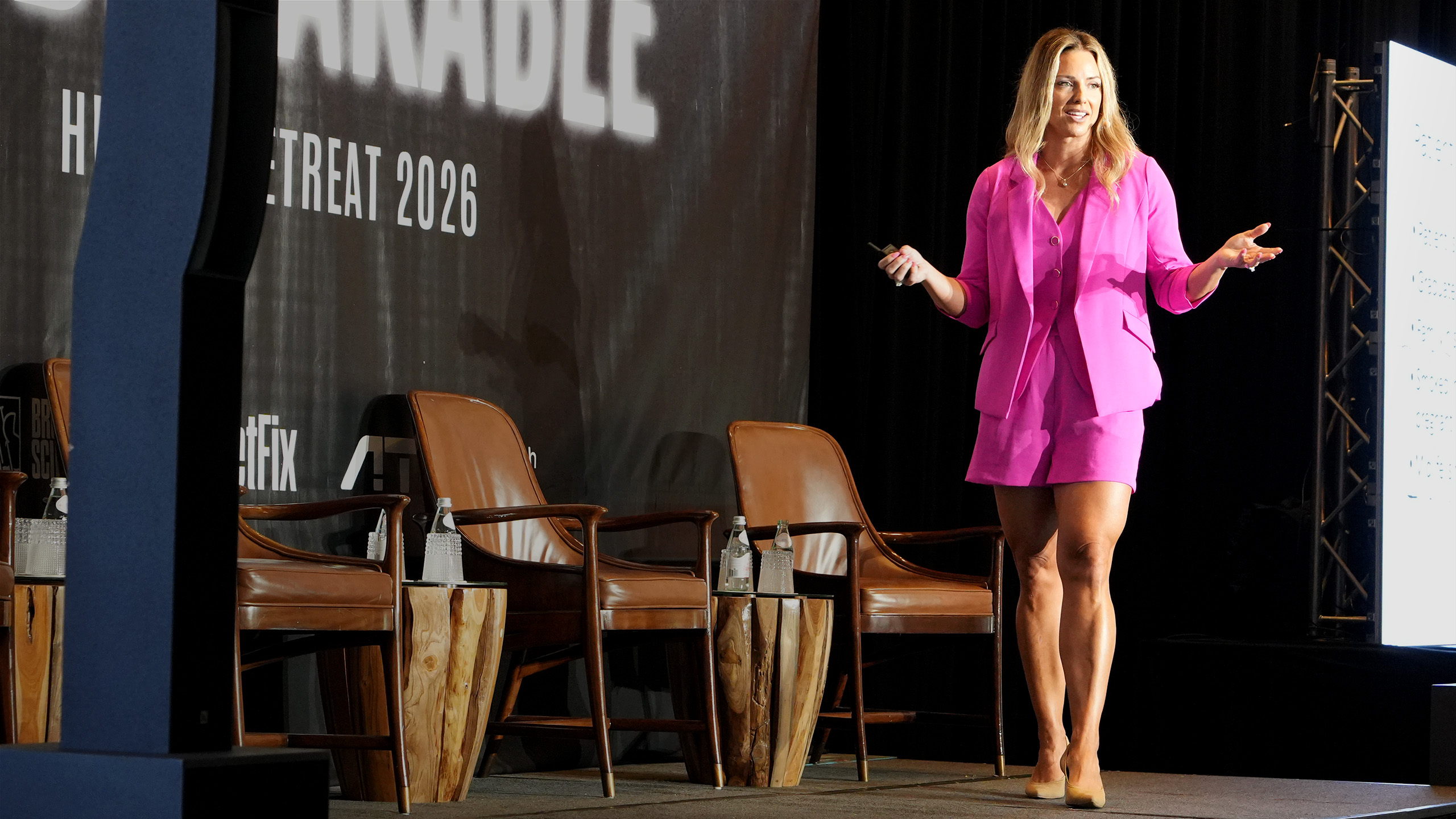
Hormones, muscle, metabolic health, and what modern medicine often misses